
Many homeowners across British Columbia assume winter discomfort is caused by outdoor temperatures. But in reality, the biggest source of indoor cold often comes from inside the home itself — specifically, through outdated or underperforming windows.
If your home feels drafty, unevenly heated, or constantly cold despite running the furnace, your windows may be silently draining warmth and money. At Pacific Glass Ltd, we regularly inspect homes where the insulation looks fine, the heating system works perfectly, yet comfort remains elusive. The common culprit? Aging glass technology that can no longer keep BC’s coastal climate outside where it belongs.
This guide breaks down why cold enters through windows, how BC weather accelerates the problem, and what smarter solutions exist beyond full window replacement.
Why Windows Are the Weakest Point in Most BC Homes
Walls are insulated. Roofs are sealed. Floors are protected.
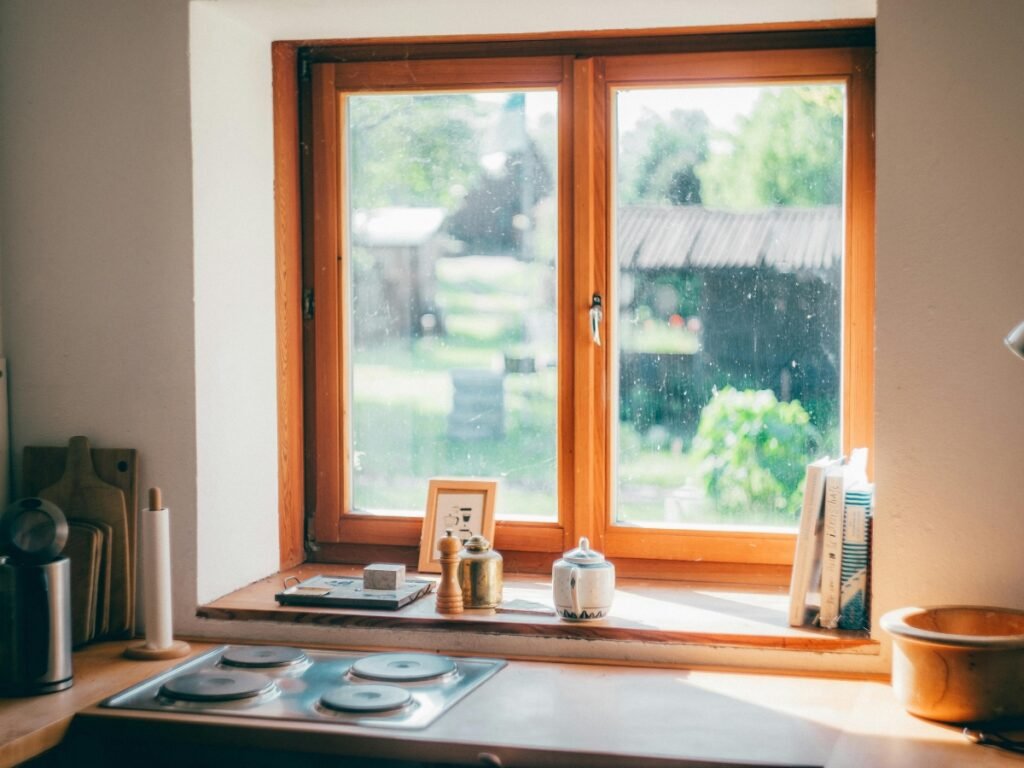
Windows, however, are intentional openings — and that makes them the most vulnerable thermal barrier in any home.
Older or builder-grade windows were never designed for today’s climate realities or energy standards. Over time, several issues begin to appear:
- Glass loses insulating gas
- Seals degrade from moisture exposure
- Frames expand and contract due to temperature swings
- Coatings wear down under UV and salt air
In coastal cities like Vancouver, Burnaby, Richmond, and North Vancouver, constant humidity and rainfall accelerate window failure faster than homeowners expect.
The Science Behind Cold Air “Leaks” Through Glass
Contrary to popular belief, cold air does not always blow in through visible cracks. Most heat loss through windows happens through thermal transfer.
How heat escapes:
| Heat Loss Type | What Happens |
| Conduction | Heat passes directly through cold glass |
| Convection | Air movement inside double-pane units |
| Radiation | Warm indoor heat radiates outward |
| Air Leakage | Failed seals allow drafts |
When glass is outdated, thin, or no longer sealed, your indoor warmth simply escapes, making rooms feel cold even without noticeable drafts.
Why BC’s Coastal Climate Makes the Problem Worse
British Columbia homes face a unique challenge compared to inland regions.
Coastal climate factors:
- High humidity breaks down window seals faster
- Frequent rain causes frame swelling and contraction
- Mild winters mean windows stay “almost cold” constantly
- Salt air near the coast corrodes spacers and coatings
This combination leads to earlier window failure, even in homes that are less than 20 years old.
Pacific Glass Ltd often finds that BC windows age 30–40% faster than the national average.
Signs the Cold Is Coming From Your Windows
Many homeowners misdiagnose window-related heat loss. Look for these warning signs:
- Rooms feel colder near windows
- Condensation or fog between panes
- Frost forming on interior glass edges
- Curtains move slightly even when closed
- Heating bills rising year over year
- One room colder than the rest of the house
If two or more of these apply, your windows are no longer insulating properly.
Why Turning Up the Heat Doesn’t Fix the Problem
Your heating system can only warm the air — it cannot stop heat from escaping.
When windows leak warmth:
- Your furnace runs longer
- Heat escapes as fast as it’s produced
- Temperature remains unstable
- Energy costs increase
This creates a cycle where homeowners blame the furnace, thermostat, or insulation, when the real issue is glass performance.
Builder-Grade Windows: The Hidden Comfort Killer
Many BC homes — especially newer builds — were installed with builder-grade windows. These windows meet minimum code requirements but lack:
- Advanced Low-E coatings
- Argon or krypton gas insulation
- Warm-edge spacers
- Acoustic or thermal optimization
They look modern, but perform poorly after only a few years in coastal environments.
Why Full Window Replacement Is Often Unnecessary
One of the biggest misconceptions is that cold windows mean total replacement.
In reality, most heat-loss problems can be fixed by upgrading the glass only.
Smarter alternatives include:
- Replacing failed insulated glass units
- Adding Low-E or heat-reflective coatings
- Upgrading to argon-filled sealed units
- Improving spacer and seal technology
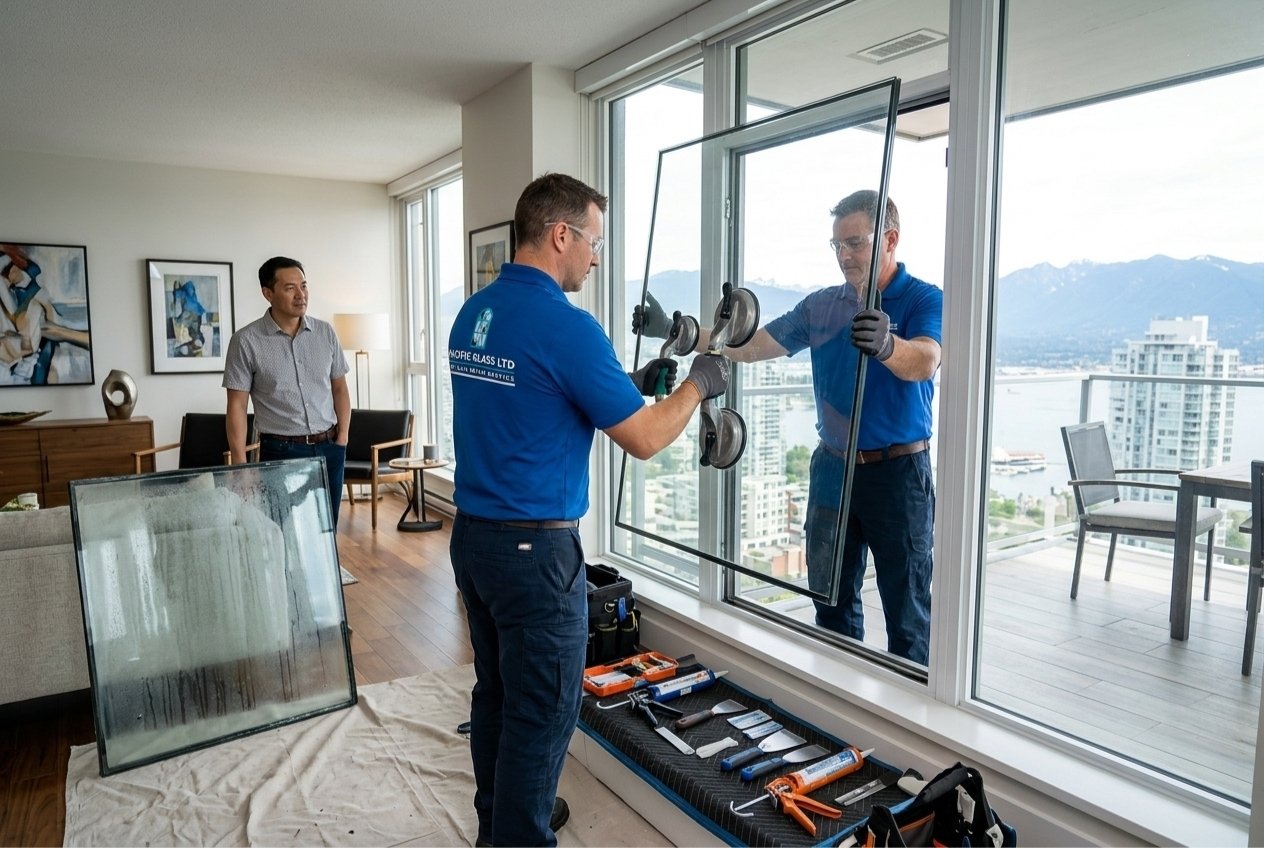
At Pacific Glass Ltd, we regularly restore comfort without removing window frames, saving homeowners thousands.
Replacement vs Glass Upgrade
| Solution | Typical BC Cost | Disruption |
| Full window replacement | $$$$ | High |
| Glass-only upgrade | $$ | Minimal |
| Seal & spacer repair | $ | Very low |
Glass upgrades provide 80–90% of the comfort improvement at a fraction of the cost.
Energy Savings BC Homeowners Can Expect
Upgrading window glass can reduce heat loss by up to 40%, depending on the home.
Benefits include:
- Lower heating bills
- More stable indoor temperature
- Reduced condensation and mold risk
- Increased home value
- Improved comfort in winter and summer
Why Pacific Glass Ltd Recommends Targeted Upgrades
Pacific Glass Ltd specializes in precision glass solutions, not one-size-fits-all replacements.
Our approach includes:
- Window-by-window evaluation
- Thermal performance testing
- Climate-specific glass selection
- Long-term durability planning
We focus on what actually fixes the problem, not what sells the biggest invoice.
When You Should Call a Professional in BC
You should consult a glass expert if:
- Your home feels cold despite heating
- Windows show fog or condensation
- You’re planning renovations
- Energy bills keep increasing
- Noise and drafts accompany cold spots
Early intervention prevents frame damage, mold growth, and energy waste.
Maintenance Tips to Slow Window Heat Loss
- Keep drainage channels clear
- Control indoor humidity
- Avoid harsh chemical cleaners
- Inspect seals annually
- Address condensation early
Proper care can extend glass performance — but once seals fail, replacement is the only fix.
Final Thoughts
If your home feels cold, don’t blame the weather.
The real problem is often invisible — hidden within aging glass that can no longer protect your indoor comfort.
Before replacing everything, talk to Pacific Glass Ltd. Smarter glass solutions exist, and they cost far less than you think.
FAQs
Because outdated glass allows heat to escape through thermal transfer, not just air leaks.
Yes. Glass-only upgrades often restore insulation without full replacement.
Yes. Fog or moisture between panes usually means the seal has failed.
Yes. Builder-grade windows often underperform within 5–10 years in BC.
Costs vary, but upgrades are typically far cheaper than full replacement.