At first glance, windows seem simple. If the glass looks clear, the frame feels solid, and there’s no obvious draft, most homeowners assume everything is fine. After all, windows fail when they crack, fog, or leak—right?
Not exactly.
In reality, windows rarely fail all at once. They age quietly, internally, and invisibly. By the time fogging appears or drafts become noticeable, the window has often been declining for years. This misunderstanding is one of the most common—and costly—mistakes homeowners and condo owners make.
At Pacific Glass Ltd, we see it every day across Burnaby and the surrounding Lower Mainland: windows that look “perfect” but no longer perform the way they should. This blog explores why clear glass can be misleading, how window health actually works, and what homeowners should be paying attention to long before visible failure occurs.
The Illusion of “Good Windows”
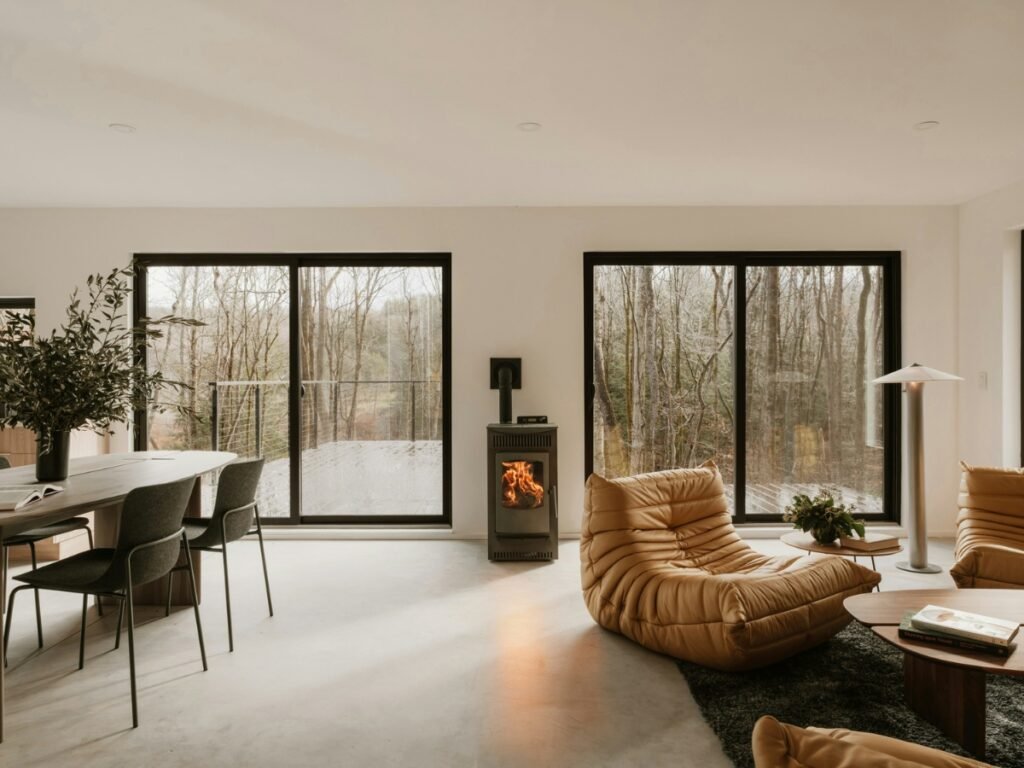
Clear glass creates confidence. It reassures homeowners that their windows are still doing their job. Unfortunately, clarity is only one small part of window performance.
A modern window is a system made up of multiple components working together:
- Glass panes
- Insulating air or gas between panes
- Seals that keep moisture and gas in place
- Frames that support insulation and structure
- Spacers that regulate thermal performance
When one of these components starts to degrade, the window doesn’t instantly fail. Instead, it begins a slow decline—one that often goes unnoticed because glass remains visually clear for years.
How Windows Actually Age
Windows don’t age like appliances, where failure is obvious and immediate. They age more like roofs or foundations—gradually, unevenly, and quietly.
Year 1–5: Peak Performance
Windows are airtight, energy-efficient, and acoustically strong. Seals are tight, and insulating gases are fully intact.
Year 6–10: Early Decline Begins
Microscopic seal fatigue starts. Insulating gas slowly escapes. Thermal efficiency drops slightly—but not enough to notice.
Year 11–15: Invisible Performance Loss
Heat transfer increases. Sound insulation weakens. Moisture resistance declines. Glass still looks clear.
Year 16–20+: Visible Symptoms Appear
Fogging, condensation, drafts, and comfort issues finally show up—long after performance has already dropped.
By the time homeowners see a problem, the window has often been underperforming for years.
Why Glass Clarity Is a Poor Health Indicator
Clear glass tells you almost nothing about what’s happening inside your window.
Here’s why:
1. Seal Failure Is Internal
Window seals degrade from UV exposure, temperature changes, and building movement. This happens internally and invisibly. The glass can stay clear even after seals lose effectiveness.
2. Gas Loss Has No Visual Cue
Most insulated windows rely on argon or krypton gas for efficiency. When this gas escapes, there’s no visible sign—just higher energy bills and reduced comfort.
3. Moisture Migration Starts Small
Moisture infiltration often begins at microscopic levels. Condensation inside the unit doesn’t appear until the problem is advanced.
4. Frames Mask Decline
Strong-looking frames can hide insulation gaps and thermal bridging that reduce window performance.
At Pacific Glass Ltd, we frequently inspect windows that look “new” but perform like much older units.
The Comfort Clues Homeowners Miss
If clear glass isn’t a reliable indicator, what is?
Your home often tells you something is wrong long before your windows do.
Uneven Room Temperatures
If rooms near windows feel colder in winter or hotter in summer, declining insulation is often the cause.
Increased Outside Noise
Sound insulation weakens as seals fail. If traffic or city noise feels louder than it used to, your windows may be aging internally.
Rising Energy Bills
Heating and cooling systems work harder when windows lose efficiency—even if the glass still looks flawless.
Subtle Condensation Patterns
You may notice slight condensation at the edges or corners during cold months. This is often an early warning sign.
These symptoms are easy to dismiss individually, but together they paint a clear picture of declining window health.
Condo Owners Face an Even Bigger Challenge
In condos, window decline is harder to detect—and easier to ignore.
Why?
- Windows are often identical across units
- Decline happens uniformly and slowly
- Responsibility may be shared with strata
- Visual inspections dominate maintenance decisions
Many condo owners assume that if no fogging is visible, windows don’t need attention. Unfortunately, this assumption often delays action until replacement costs are higher and options are limited.
Pacific Glass Ltd regularly works with condo owners and strata councils to identify performance loss early—often allowing glass-only replacement instead of full window removal.
The Cost of Waiting for Visible Failure
Waiting until windows visibly fail can be expensive.
When performance decline is ignored:
- Frames may deteriorate alongside seals
- Moisture damage can spread to walls
- Full window replacement becomes necessary
- Energy costs compound year after year
In contrast, addressing window issues earlier often allows homeowners to:
- Replace insulated glass units only
- Restore performance without disturbing frames
- Extend the life of existing windows
- Reduce long-term costs significantly
The difference between proactive care and reactive replacement can be thousands of dollars.
Why “20-Year Windows” Is a Dangerous Myth
Many homeowners believe modern windows are designed to last 20–25 years without issue. This belief is widespread—and misleading.
While frames may last decades, sealed glass units often don’t—especially in coastal and urban environments like Burnaby.
Factors that accelerate decline include:
- Temperature swings
- Moisture exposure
- Building movement
- UV radiation
- Balcony exposure in condos
Windows may exist for 20 years, but peak performance rarely lasts that long.
Clear Glass, Declining Performance: A Real Scenario
A common situation we see at Pacific Glass Ltd goes like this:
A homeowner calls because one room feels colder. The windows look fine—no fog, no cracks. Energy bills are creeping up. Noise seems louder.
After inspection, we find:
- Seal degradation in multiple units
- Reduced insulation performance
- Early moisture intrusion
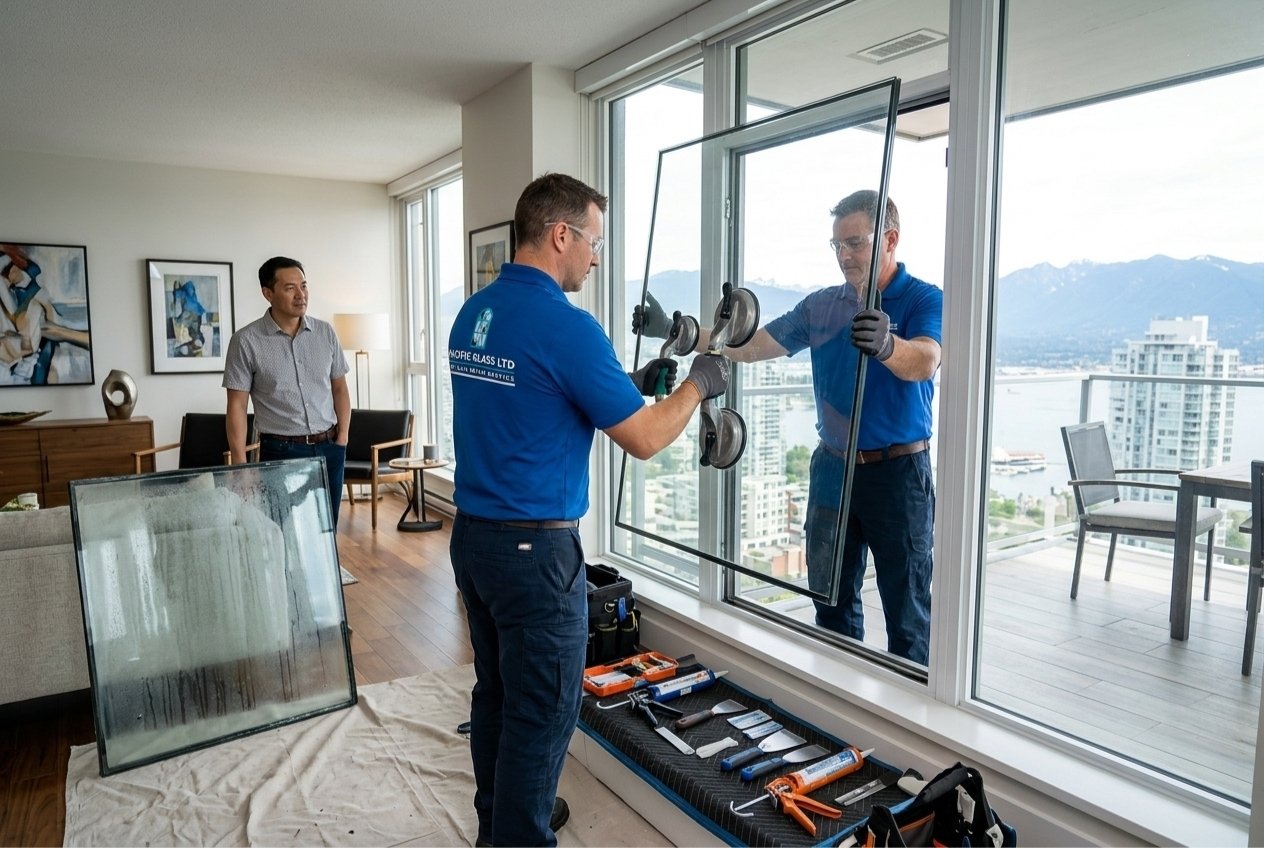
Glass replacement restores comfort, efficiency, and quiet—without replacing frames.
This scenario repeats itself constantly across Burnaby homes.
Rethinking Window Health
Healthy windows should be evaluated by performance, not appearance.
Key questions homeowners should ask:
- Do my rooms maintain consistent temperatures?
- Has outside noise increased over time?
- Are energy costs rising without explanation?
- Are my windows over 10–15 years old?
If the answer to any of these is yes, clear glass alone shouldn’t provide reassurance.
A Smarter Approach to Window Care
Instead of waiting for visible failure, homeowners can adopt a smarter, phased approach:
- Performance Assessment – Identify early decline
- Targeted Glass Replacement – Restore efficiency
- Frame Preservation – Avoid unnecessary removal
- Long-Term Planning – Extend window lifespan
This approach saves money, improves comfort, and prevents surprise failures.
Why Pacific Glass Ltd Takes a Different View
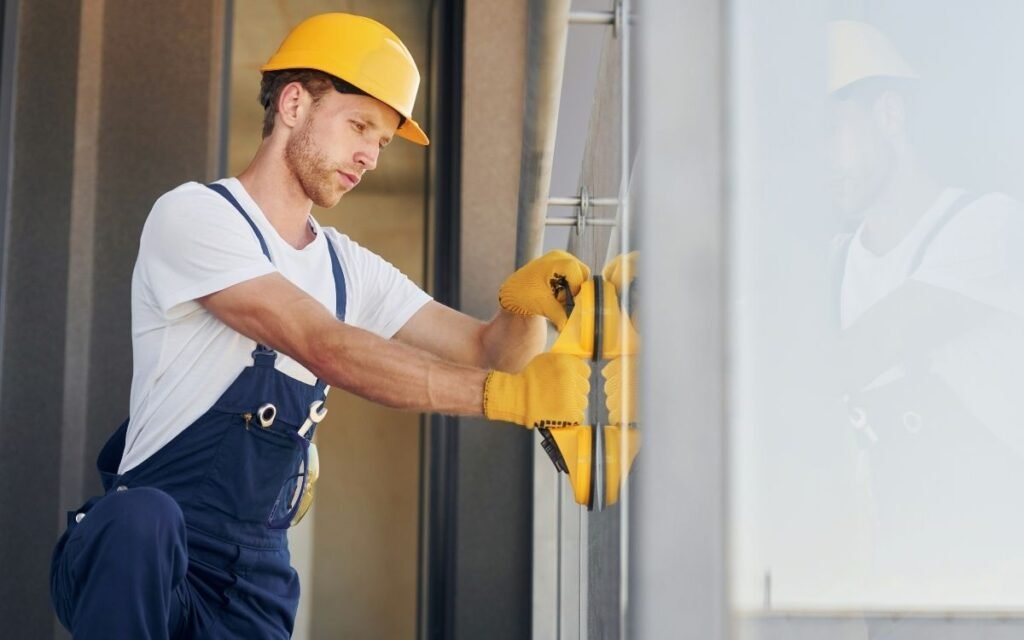
At Pacific Glass Ltd, we don’t believe windows should be judged by how they look alone.
Our focus is on:
- Long-term performance
- Energy efficiency
- Comfort and sound control
- Practical solutions—not overreplacement
We help homeowners understand what’s happening inside their windows so they can make informed decisions—before visible damage forces costly repairs.
Final Thoughts
Clear glass is comforting—but it’s not a guarantee.
Windows can lose insulation, sound control, and moisture resistance long before fogging or damage appears. By understanding how windows truly age, homeowners gain the power to act earlier, spend smarter, and live more comfortably.
The healthiest windows aren’t the ones that just look clear—they’re the ones that quietly do their job every day.
And sometimes, the most important problems are the ones you can’t see
FAQs
Yes. Window seals and insulation can degrade internally long before fogging or visible damage appears.
Seal fatigue, gas loss, moisture exposure, UV radiation, and building movement all contribute to gradual decline.
Most modern windows perform optimally for 10–15 years, depending on exposure and environment.
No. Fogging usually appears late, after years of declining insulation and energy performance.
In many cases, yes. Pacific Glass Ltd often restores performance with glass-only replacement when caught early.