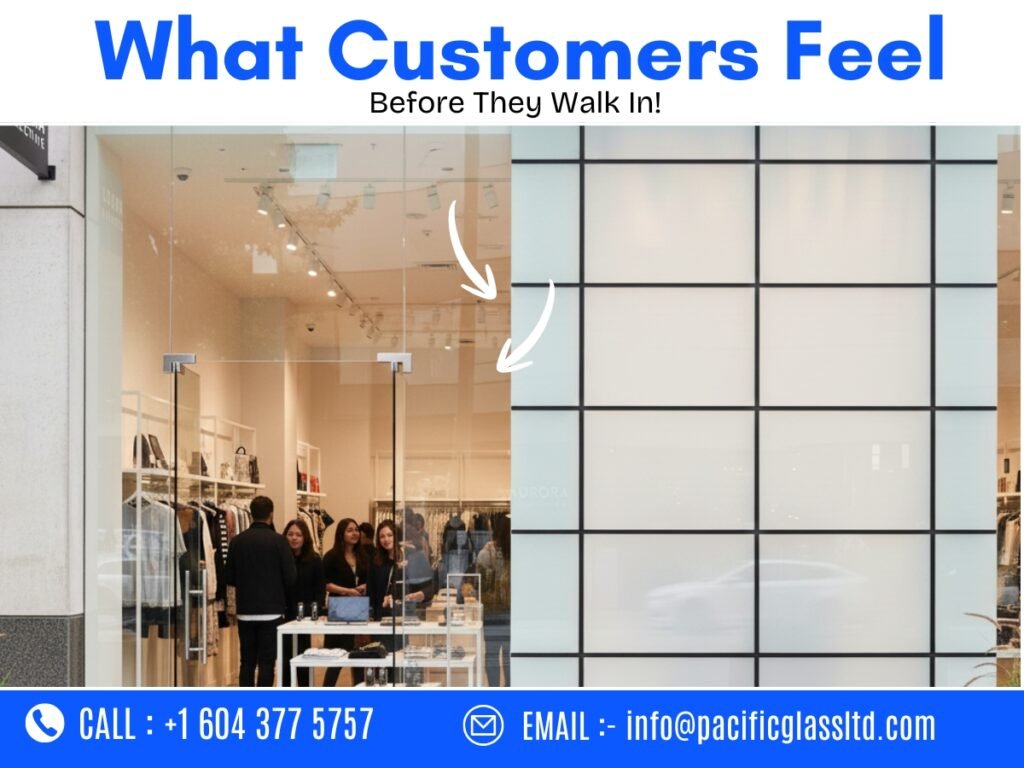
In retail, every design decision communicates something to the customer—often before a single word is spoken. Lighting, layout, colors, materials, and even the way a storefront looks from the sidewalk all influence how people feel, behave, and decide. Among these design elements, glass plays one of the most powerful yet misunderstood roles.
Clear glass and frosted glass are often chosen based on aesthetics alone. However, these two options trigger very different psychological responses in shoppers. One promotes openness and curiosity, while the other creates privacy and calm. Choosing the wrong one—or using only one when a mix would work better—can quietly reduce foot traffic, shorten dwell time, or even weaken brand perception.
Retailers in busy urban environments like Burnaby and Metro Vancouver face unique challenges: high competition, constant pedestrian movement, security concerns, and the need to stand out without overwhelming customers. Understanding the psychology behind clear and frosted glass helps businesses design spaces that attract attention, build trust, and guide customer behavior naturally.
How Glass Influences First Impressions and Decision-Making
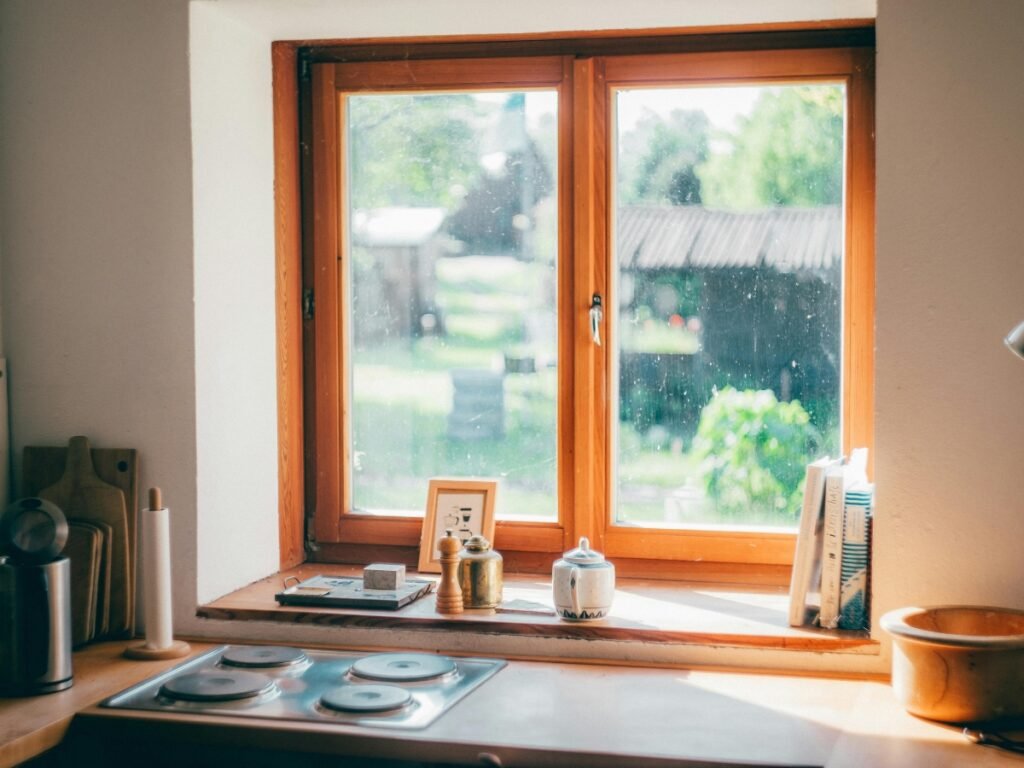
Before customers consciously think about a store, they already feel something about it. This happens within seconds. Glass strongly affects that first impression.
Clear glass sends messages such as:
- Openness
- Transparency
- Accessibility
- Confidence
Frosted glass communicates something different:
- Privacy
- Calm
- Exclusivity
- Sophistication
Neither is inherently better. The psychology depends on what the customer expects from the brand and what the store is trying to encourage—quick entry, longer browsing, discretion, or emotional comfort.
Retail psychology studies consistently show that customers are more likely to enter stores that feel:
✔ Easy to understand
✔ Visually safe
✔ Emotionally comfortable
Glass helps remove or reinforce psychological barriers before the door is ever opened.
Clear Glass and the Psychology of Visibility
Clear glass is the most commonly used material for retail storefronts, and for good reason. Visibility is one of the strongest drivers of foot traffic.
When people can see inside a store:
- Curiosity increases
- Uncertainty decreases
- Entry feels low-risk
Clear glass allows customers to preview the experience before committing to it.
Psychological advantages of clear glass
✔ Reduces fear of the unknown
✔ Encourages impulse visits
✔ Builds subconscious trust
✔ Makes the store feel active and alive
A well-lit interior behind clear glass acts almost like a silent salesperson. Shoppers see movement, products, and other customers, which signals safety and popularity.
Clear glass and impulse behavior
Impulse shopping often starts outside the store. Clear glass enables:
- Visual merchandising to work 24/7
- Seasonal displays to attract attention
- Product storytelling before entry
Retailers selling fashion, electronics, décor, or food benefit heavily from this effect.
Potential downside
Too much transparency can also:
- Create sensory overload
- Reduce privacy
- Expose staff-only or cluttered areas
- Increase perceived vulnerability if not paired with security glass
This is why many successful retail designs balance visibility with intentional visual control.
Frosted Glass and the Psychology of Privacy
Frosted glass does something clear glass cannot: it creates boundaries without darkness. It blocks visual access while still allowing light to pass through.
From a psychological perspective, frosted glass supports:
- Emotional comfort
- Personal space
- Reduced social pressure
This is especially important in retail environments where customers:
- Try on clothing
- Discuss sensitive purchases
- Receive personal services
Psychological benefits of frosted glass
✔ Encourages longer dwell time
✔ Reduces self-consciousness
✔ Creates calm, controlled environments
✔ Enhances perception of professionalism
Customers often associate frosted glass with:
- High-end brands
- Medical or wellness services
- Boutique and curated experiences
This association is powerful and subconscious.
Frosted glass and perceived value
Interestingly, limited visibility can increase perceived value. When customers cannot see everything immediately, the space feels:
- More intentional
- More exclusive
- Less chaotic
This is why luxury brands often use partial frosting, gradients, or patterned glass rather than full transparency.
How Customer Mood Changes Between Clear and Frosted Spaces
Mood directly influences purchasing behavior. Glass plays a subtle but measurable role in shaping that mood.
Clear glass tends to create:
- Energy
- Excitement
- Alertness
- Social engagement
Frosted glass tends to create:
- Relaxation
- Focus
- Emotional safety
- Reduced stress
This difference matters depending on what the business offers.
For example:
- A fast-moving retail shop benefits from energy and visibility
- A wellness clinic benefits from calm and emotional comfort
Using the wrong glass type can create emotional friction. A calm service in a visually loud space feels uncomfortable. A high-energy product hidden behind frosted glass may feel uninviting.
Strategic Use of Both Glass Types in One Retail Space
The most effective retail environments rarely choose one type of glass exclusively. Instead, they use clear and frosted glass strategically, assigning each role based on function.
Common successful combinations
- Clear glass at storefronts to attract attention
- Frosted glass near fitting rooms or consultation areas
- Partial frosting for branding and zoning
- Clear glass inside to maintain openness
- Frosted glass to hide operational areas
This approach allows retailers to:
✔ Control sightlines
✔ Guide customer movement
✔ Separate public and private zones
✔ Maintain light flow
Comparison table: clear vs frosted glass in retail
| Feature | Clear Glass | Frosted Glass |
| Visibility | Full | Limited |
| Privacy | Low | High |
| Light transmission | Maximum | Diffused |
| Emotional tone | Energetic | Calm |
| Brand perception | Open and modern | Premium and refined |
| Best use | Storefronts, displays | Offices, fitting rooms, services |
Using both creates balance rather than compromise.
Branding, Identity, and Glass Choices
Glass is part of brand language. Customers interpret materials emotionally, even if they can’t explain why.
Clear glass often aligns with brands that want to feel:
- Transparent
- Trend-forward
- Youthful
- Accessible
Frosted glass often aligns with brands that want to feel:
- Exclusive
- Trustworthy
- Professional
- Calm and controlled
Branding through frosted patterns
Frosted glass doesn’t have to be plain. Retailers often use:
- Logos etched into glass
- Gradients for subtle privacy
- Patterned frosting to guide attention
This creates visual interest while reinforcing brand identity.
Customers remember spaces that feel intentional. Glass helps communicate intention without words.
Security, Safety, and Customer Trust
Psychology and security are closely connected. Customers need to feel safe—consciously or not.
Clear glass improves:
- Visibility from outside
- Natural surveillance
- Social accountability
But clear glass must be paired with:
✔ Tempered glass
✔ Laminated glass
✔ Proper framing
Frosted glass can:
- Reduce temptation by hiding valuables
- Prevent detailed scouting from outside
- Improve staff comfort after hours
However, frosted glass alone does not equal security. The underlying glass strength matters more than appearance.
Customers subconsciously trust spaces that look professionally built and well-maintained. Poorly installed or damaged glass erodes that trust immediately.
Energy Efficiency, Comfort, and Long-Term Experience
Comfort affects how long customers stay in a store. Glass influences:
- Temperature stability
- Glare control
- Light distribution
Clear glass without proper coatings can:
- Increase heat gain
- Cause glare
- Raise cooling costs
Frosted glass helps:
- Diffuse sunlight
- Reduce harsh brightness
- Create more even temperatures
When combined with modern insulated glass, both types can:
✔ Improve comfort
✔ Reduce energy bills
✔ Enhance the shopping experience
Comfort is psychological. Customers stay longer in spaces that feel physically pleasant.
Practical Guidance for Retail Owners
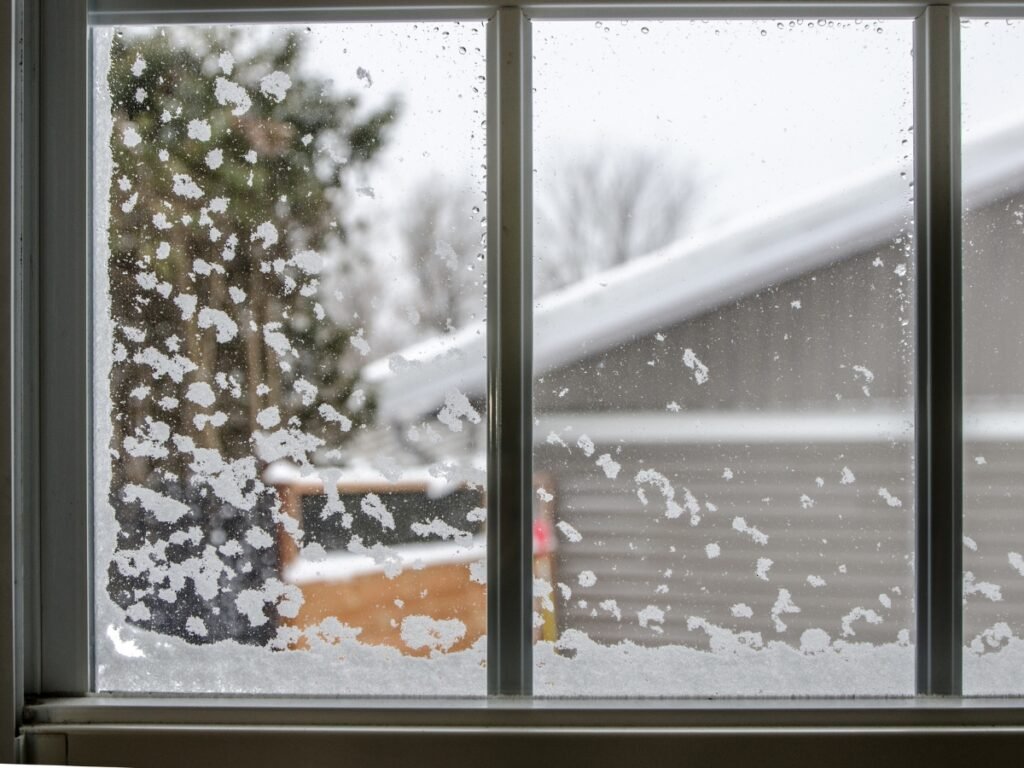
When choosing between clear and frosted glass, consider these questions:
✔ Do customers need to see products from outside?
✔ Is privacy part of the service experience?
✔ Does the brand lean toward openness or exclusivity?
✔ Are there security concerns after hours?
✔ Will lighting support the chosen glass type?
Practical recommendations
- Use clear glass where discovery matters
- Use frosted glass where comfort matters
- Combine both to guide behavior naturally
- Always prioritize safety-rated glass
- Keep glass clean and well-maintained
Glass should never be an afterthought. It shapes how customers move, feel, and decide.
Final Thoughts
Clear and frosted glass are not just design options—they are psychological tools. One invites, the other protects. One energizes, the other calms. The most successful retail spaces understand this balance and use it intentionally.
Clear glass helps customers feel welcome and curious. Frosted glass helps them feel comfortable and respected. Together, they create environments that feel thoughtful, professional, and emotionally aligned with the brand.
When glass choices support customer psychology, retail spaces don’t just look better—they perform better.
FAQs
Yes, combining clear and frosted panels allows for visibility where needed and privacy in sensitive areas, balancing engagement and discretion.
No. Frosted glass diffuses light evenly, maintaining brightness while reducing glare and harsh shadows.
Tempered and laminated glass are recommended for both clear and frosted applications, providing safety without compromising aesthetics.
Absolutely. Frosted glass can incorporate custom designs, adding both privacy and visual appeal for your retail brand.
Clear glass increases engagement and encourages impulse purchases, while frosted glass promotes calm, privacy, and a sense of luxury.

JAP Jabar is the highly skilled and experienced owner of Pacific Glass Ltd, a trusted leader in glass services throughout British Columbia, Canada. With over 15 years of experience in glass repair, installation, and design, JAP has built a strong reputation for excellence in providing top-tier glass solutions, including glass doors, windows, railings, balconies, and more. Whether it’s residential or commercial, JAP is committed to delivering quality and precision in every project. Pacific Glass Ltd offers a wide range of services, from sliding doors and swing doors to storefront glass, patio glass doors, mirror services, and shower glass installations, ensuring customers receive the best in durability, aesthetics, and functionality.
Pacific Glass Ltd serves clients across Burnaby, Vancouver, and greater British Columbia with a focus on offering high-end glass solutions that meet the unique needs of each space. JAP’s expertise spans multiple types of glass services, including glass & sealed unit replacement, windows repair, commercial doors, fixed walls, glass canopies, and more. As a locally owned and operated business, JAP’s commitment to excellence shines through in every project, earning him a reputation as one of the leading glass specialists in the area.