

Windows do far more than connect indoor life with the outside world. They shape mood, comfort, energy use, lighting quality, and even how your home feels emotionally. Yet one of the least-discussed truths about windows is this: glass has seasons.
Just like people behave differently in winter and summer, your windows also show their own “seasonal personality.” Temperature, humidity, sunlight, wind pressure, and daylight quality all affect how glass performs and how your home responds to it.
In this in-depth guide, we explore how windows behave across changing seasons—and why understanding these patterns helps homeowners build smarter, healthier, more comfortable spaces. Whether you’re improving comfort, updating older windows, or designing a home from scratch, knowing the seasonal personality of your windows can transform how you live.
This article is brought to you by Pacific Glass LTD helping homeowners create brighter, healthier, and more energy-efficient spaces with smart window solutions.
1. Winter: When Windows Become Frontline Defenders
Cold weather puts tremendous pressure on your windows. In winter, the glass in your home doesn’t just “sit there”—it works nonstop, managing temperature differences, wind, and condensation.
1.1. Winter Glass Personality: Cold, Contracted, and Busy
In winter, glass naturally contracts. This microscopic shrinkage tightens the window structure, making it feel more rigid. While this is normal, it increases the workload of seals, spacers, and insulation layers.
Winter glass has three big jobs:
- Keep heat inside
- Block cold drafts
- Prevent condensation buildup
But cold air is relentless. When freezing temperatures meet indoor warmth, your windows experience the steepest temperature gradient of the year. This causes a predictable set of behaviors.
1.2. The Emotional Impact of Winter Light Through Glass
Winter light is softer, lower, bluer, and more angled. Even if you don’t consciously notice it, your brain does.
- Sunlight feels gentler, which can make rooms feel calmer but colder.
- Shadows stretch longer, making spaces feel quieter or more introspective.
- The lower sun angle can create glares at unusual times of day.
Your windows act like emotional filters during winter. The softer light passing through can make a room feel cozy—or gloomy—depending on the glazing and direction your windows face.
1.3. Energy Performance: The Hardest Season for Glass
Windows lose more heat in winter than in any other season.
Common winter issues:
- Cold drafts from older window frames
- Condensation from warm indoor moisture hitting cold glass
- Heat loss through single-pane or uncoated glass
- Frozen window tracks making operation difficult
Modern glazing—especially double or triple panes with low-E coatings—acts like a shield, reflecting heat back into your home.
But even the best windows show their winter personality:
- The interior pane still feels cooler to the touch
- The edge seals experience contraction stress
- Any small insulation weakness becomes more noticeable
Understanding these traits helps homeowners plan upgrades before problems start.
2. Summer: When Windows Turn Into Heat Managers
Summer is the opposite: glass constantly battles heat, sunlight, UV radiation, glare, and thermal expansion.
While winter glass contracts, summer glass expands. This subtle movement affects how your windows open, close, and insulate.
2.1. Summer Glass Personality: Hot, Expanding, and Overworked
Glass can heat up dramatically—sometimes reaching up to 65°C (150°F) in direct sunlight. This transforms the behavior of the entire window system.
Summer glass must:
- Block excessive heat
- Protect your interior from UV damage
- Manage glare and harsh light
- Handle thermal expansion without stressing seals
Because summer sunlight is higher, brighter, and more direct, window performance becomes critical.
2.2. How Summer Light Affects Mood
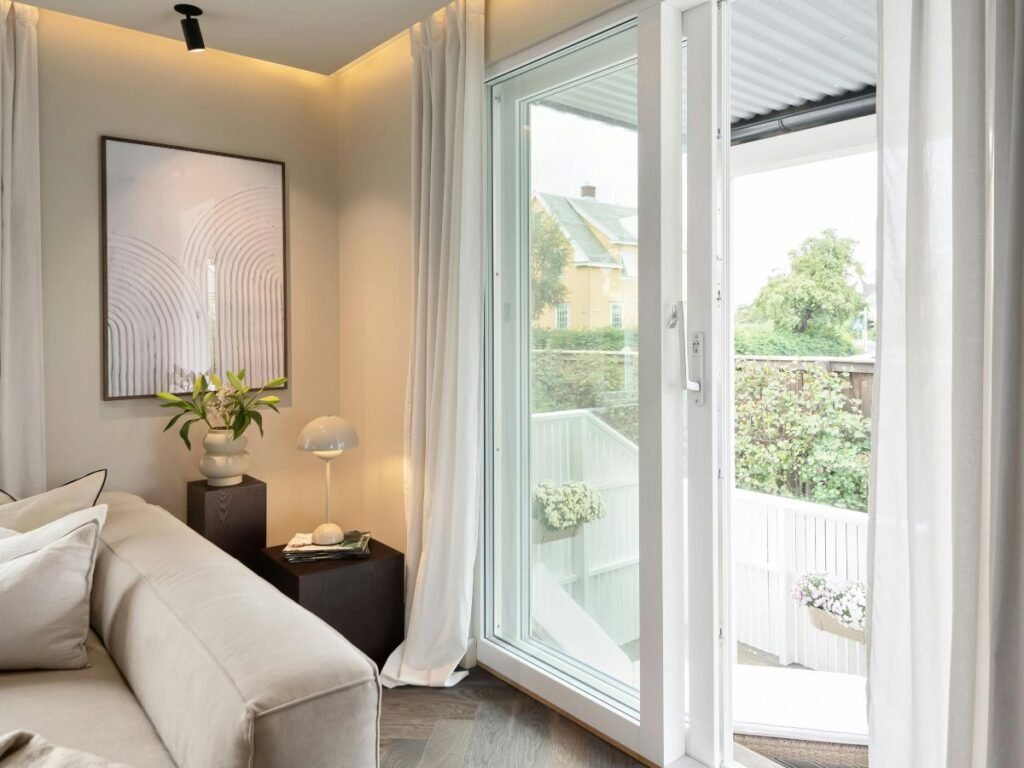
Summer sunlight is intense, warm-colored, and full of UV energy. Through glass, this can change how a room “feels”:
- Spaces appear more energetic and lively
- Colors look warmer and more vibrant
- Rooms heat up more quickly
- Glare can make spaces feel overwhelming
Psychologically, summer light boosts activity, but poorly managed sunlight through windows can cause discomfort:
- Eye strain
- Hot spots
- Overexposed interiors
- Faster fading of furniture
Your windows become the gatekeepers of comfort.
2.3. Energy Performance in Summer: Battling Solar Heat Gain
Summer is when windows face the largest amount of solar heat gain—sunlight that transforms into heat once it enters your home.
This causes:
- Higher AC usage
- Hot rooms, especially west-facing ones
- Uneven temperatures around the house
- Warping or swelling of frames due to heat
Low-E glass designed for hot climates reflects solar radiation, while insulated glazing reduces heat conductance. However, even advanced windows reveal their summer personality:
- The outer pane heats up much faster
- Sealants expand
- Window tracks may feel slightly looser
- UV rays push glass coatings to their limits
3. Spring and Fall: The Window’s Neutral Seasons
Unlike the extremes of summer and winter, spring and fall bring moderate temperatures. This is when windows “relax.”
We call these neutral seasons because glass expansion and contraction stabilize. Your windows behave closer to their ideal performance specs.
3.1. Spring: Windows Wake Up
When temperatures rise, glass warms and expands gently. Frames soften slightly, seals regain flexibility, and condensation decreases.
Spring is the perfect season for:
- Opening windows more often
- Improving ventilation
- Enjoying balanced natural light
- Checking window hardware after winter strain
Spring sunlight is crisp and bright, making it ideal for boosting mood without overheating your home.
3.2. Fall: Windows Prepare for Winter
As temperatures drop, your windows slowly shift back toward their winter personality:
- Light becomes warmer and softer
- Frames begin to contract
- The thermal gap between day and night increases
Fall is the season of:
- Increasing condensation at night
- Energy efficiency becoming more noticeable
- Light angles becoming lower and more emotional
This is the best time to perform window maintenance before cold hits.
4. Why Seasonal Window Behavior Matters for Homeowners
Windows influence:
- Energy bills
- Indoor comfort
- Air quality
- Lighting quality
- Furniture lifespan
- Your emotional environment
When you understand the seasonal personality of your windows, you make smarter decisions about:
- Upgrading glazing
- Adding films or shades
- Replacing worn seals
- Improving insulation
- Using natural light intentionally
Simply put: windows shape your lifestyle more than you realize.
5. How to Choose Windows That Fit All Seasons
The best windows manage seasonal changes gracefully. Features to look for:
✔ Low-E coatings
Reflect heat in summer, retain warmth in winter.
✔ Multi-pane insulation
Double or triple panes stabilize interior temperatures.
✔ Warm-edge spacers
Reduce condensation.
✔ UV-protective layers
Prevent furniture fading and protect your skin.
✔ Durable frame materials
Vinyl, fiberglass, and aluminum-clad wood handle expansion and contraction efficiently.
✔ Proper installation
Even the best window fails with poor installation.
At Pacific Glass LTD, we help homeowners choose window solutions that adapt beautifully to every season—and every lifestyle.
FAQ
Because glass expands when heated and contracts when cold. These small changes affect insulation, condensation, and overall comfort.
Use low-E glass, solar-control films, insulated glazing, or shades that block harsh sunlight.
Warm indoor air hits cold glass, creating moisture droplets. Better seals, ventilation, and insulated windows help reduce it.
Double or triple-pane low-E windows provide year-round comfort by balancing heat reflection and insulation.
Fall and spring are ideal because temperatures are moderate and installation is smoother.

JAP Jabar is the highly skilled and experienced owner of Pacific Glass Ltd, a trusted leader in glass services throughout British Columbia, Canada. With over 15 years of experience in glass repair, installation, and design, JAP has built a strong reputation for excellence in providing top-tier glass solutions, including glass doors, windows, railings, balconies, and more. Whether it’s residential or commercial, JAP is committed to delivering quality and precision in every project. Pacific Glass Ltd offers a wide range of services, from sliding doors and swing doors to storefront glass, patio glass doors, mirror services, and shower glass installations, ensuring customers receive the best in durability, aesthetics, and functionality.
Pacific Glass Ltd serves clients across Burnaby, Vancouver, and greater British Columbia with a focus on offering high-end glass solutions that meet the unique needs of each space. JAP’s expertise spans multiple types of glass services, including glass & sealed unit replacement, windows repair, commercial doors, fixed walls, glass canopies, and more. As a locally owned and operated business, JAP’s commitment to excellence shines through in every project, earning him a reputation as one of the leading glass specialists in the area.