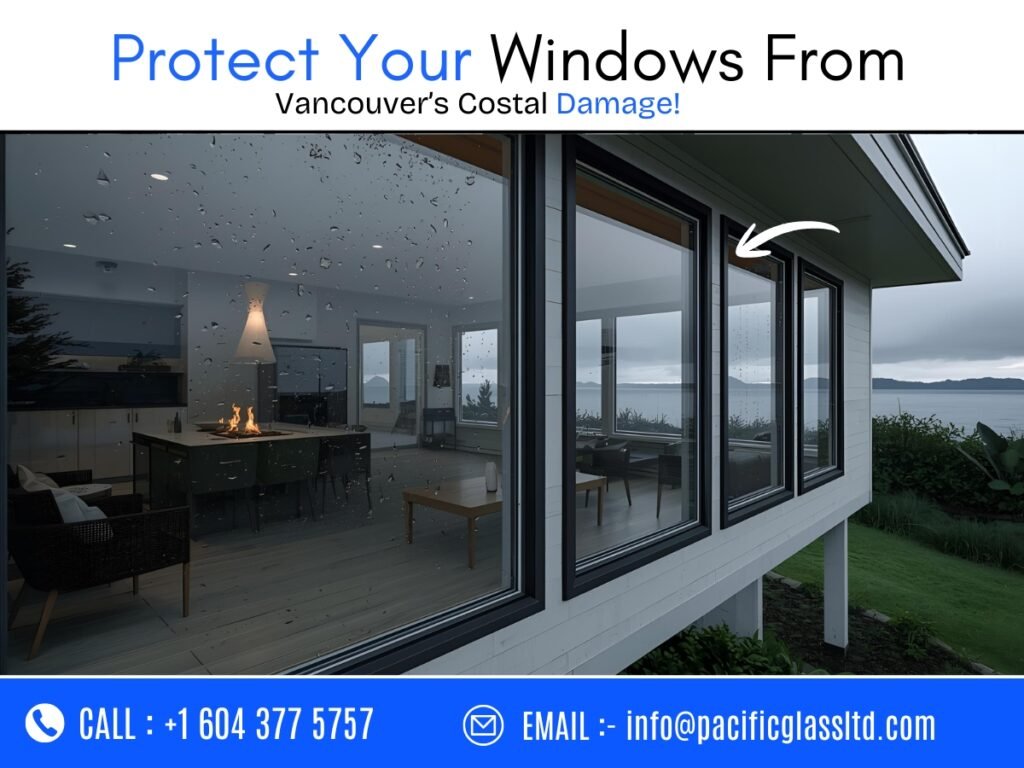
Vancouver is one of the most beautiful places in Canada — but also one of the toughest environments for home windows. Between relentless rainfall, salty ocean air, high humidity, and sudden temperature shifts, traditional window glass simply doesn’t last. It fogs, corrodes, leaks, and loses insulation faster than most homeowners expect.
This is why choosing the right glass type isn’t just a matter of design. It’s about long-term protection — the kind that saves you money, prevents mold, reduces noise, and keeps your home energy-efficient year-round.
As a trusted specialist in the region, Pacific Glass Ltd. has seen thousands of Vancouver homes struggle with the same coastal challenges. This guide breaks down what’s happening to your windows, how the local climate affects them, and which glass types provide the best long-term durability and performance.
Let’s help you choose window glass that actually survives Vancouver’s weather.
Why Vancouver’s Coastal Climate Is Hard on Windows
Vancouver isn’t like most Canadian cities — the environmental stress is unique. Homes near English Bay, Kitsilano, Coal Harbour, or North Vancouver experience:
- High rainfall (over 161 rainy days a year)
- High humidity, often above 70%
- Salt-laden ocean air blowing inland
- Rapid temperature swings across seasons
- Frequent condensation buildup
- Strong winds along the shoreline
These factors create long-term damage that isn’t instantly visible — but becomes expensive over time.
Here’s what the climate is doing.
How Vancouver Weather Damages Standard Window Glass
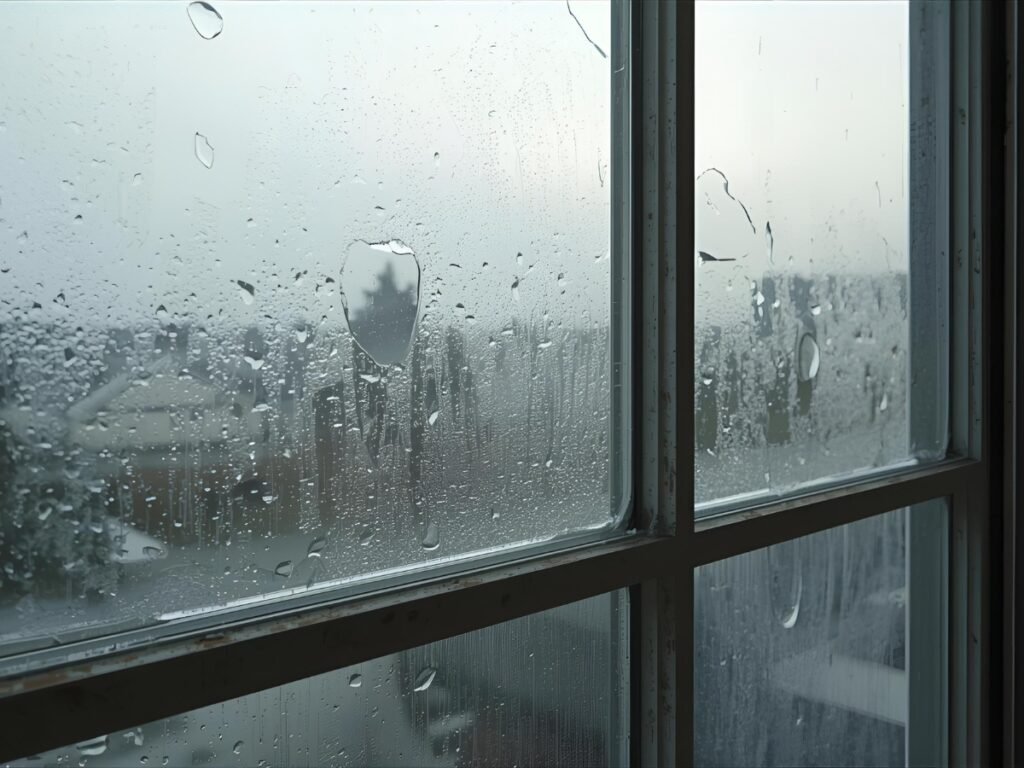
1. Moisture Infiltration
Constant rainfall + humidity seeps into window frames, seals, and edges.
→ Over time, this leads to fogging, mold, and warped frames.
2. Salt Corrosion
Salt from the Pacific Ocean sticks to glass surfaces and metal components.
→ This accelerates window failure and reduces clarity.
3. Condensation Buildup
Warm indoor air + cold outdoor air
→ Water collects between panes, leading to failed seals.
4. Heat Loss
Traditional glass offers poor insulation.
→ You pay more in heating costs during winter.
5. UV Damage
Vancouver’s bright summer sunlight can fade furniture and flooring.
→ Old glass offers no UV protection.
This is why homeowners across Vancouver — especially in Kits, West Vancouver, UBC, Point Grey, and North Shore — are upgrading to advanced window glass types designed specifically for coastal longevity.
Best Glass Types for Long-Term Protection in Vancouver
Choosing glass for coastal weather isn’t about aesthetics — it’s about engineering. These are the options that truly last in the Vancouver climate.
Low-E Glass (Low Emissivity Glass)
This is a must-have in coastal environments.
Benefits:
- Reduces heat loss and heat gain
- Blocks UV rays
- Prevents fading of interior furnishings
- Improves energy efficiency
Why it’s perfect for Vancouver:
Low-E coatings protect against the humid, cloudy winter while keeping summer temperatures comfortable.
Double-Glazed Glass
Two panes with insulating gas in between.
Benefits:
- Better insulation
- Reduced noise
- Less condensation
- Longer lifespan
Why Vancouver homeowners choose it:
It dramatically reduces fogging and helps maintain indoor temperatures during wet cold seasons.
Triple-Glazed Glass
For maximum durability and energy savings.
Benefits:
- Superior insulation
- Almost zero condensation
- Strong protection from outdoor noise
- Best long-term value
Where it’s most effective:
North Vancouver, West Vancouver, and homes close to the shoreline where wind and temperature shifts are severe.
Laminated Glass
A safety-focused, noise-reducing, premium option.
Benefits:
- Excellent sound insulation
- Added security for break-ins
- Strong resistance to storms
- Filters UV rays
Why it’s good for coastal weather:
It stays intact even in harsh storms and is perfect for busy or windy locations.
Tempered Glass
Heat-treated glass that is 5x stronger than standard glass.
Benefits:
- Shatter-resistant
- Safe for families
- Handles temperature fluctuations
Why Vancouver needs it:
Ideal for areas exposed to wind pressure and moisture-heavy air.
Impact-Resistant Glass
Best for extreme conditions.
Benefits:
- Designed for strong storms
- High durability against flying debris
- Superior long-term performance
Who needs it:
Homes near cliffs, the coastline, or high-rise condos exposed to stronger winds.
Which Glass Type Should You Choose? (Based on Vancouver Neighbourhood)
Every neighbourhood has different challenges. Here’s a quick guide:
| Area | Climate Stress | Recommended Glass Type |
| Kitsilano | Salt & humidity | Low-E + Double/Triple Glazed |
| West Vancouver | Strong winds & salt | Laminated or Impact-Resistant |
| North Vancouver | Temperature swings | Triple-Glazed |
| Downtown Vancouver | Noise + urban density | Laminated Glass |
| UBC & Point Grey | Fog + salt air | Low-E + Tempered |
| Richmond | Humidity & moisture | Double-Glazed |
Pacific Glass Ltd. can recommend the exact combination based on your neighborhood and home structure.
Do You Live Near the Ocean? (Extra Protection Needed)
Homes within 2 km of the shoreline experience:
- Faster frame corrosion
- More salt residue
- Higher condensation
- Stronger wind pressure
For these homes, the best solution is:
→ Low-E + Triple-Glazed + Laminated combination
This provides durability, clarity, and long-term insulation.
How to Maintain Your Windows in Vancouver’s Weather
Even the best glass needs care.
1. Clean Salt Residue Every 2–3 Weeks
Use a mild vinegar-water mix.
Salt buildup accelerates damage.
2. Maintain Window Seals
Check edges every season for cracks or gaps.
3. Keep Frames Dry
Wipe moisture to prevent mold and frame warping.
4. Remove Condensation Quickly
Leave blinds open to allow airflow.
5. Schedule Annual Inspections
Pacific Glass Ltd. provides coastal-window safety checks.
Signs Your Vancouver Windows Need Replacement
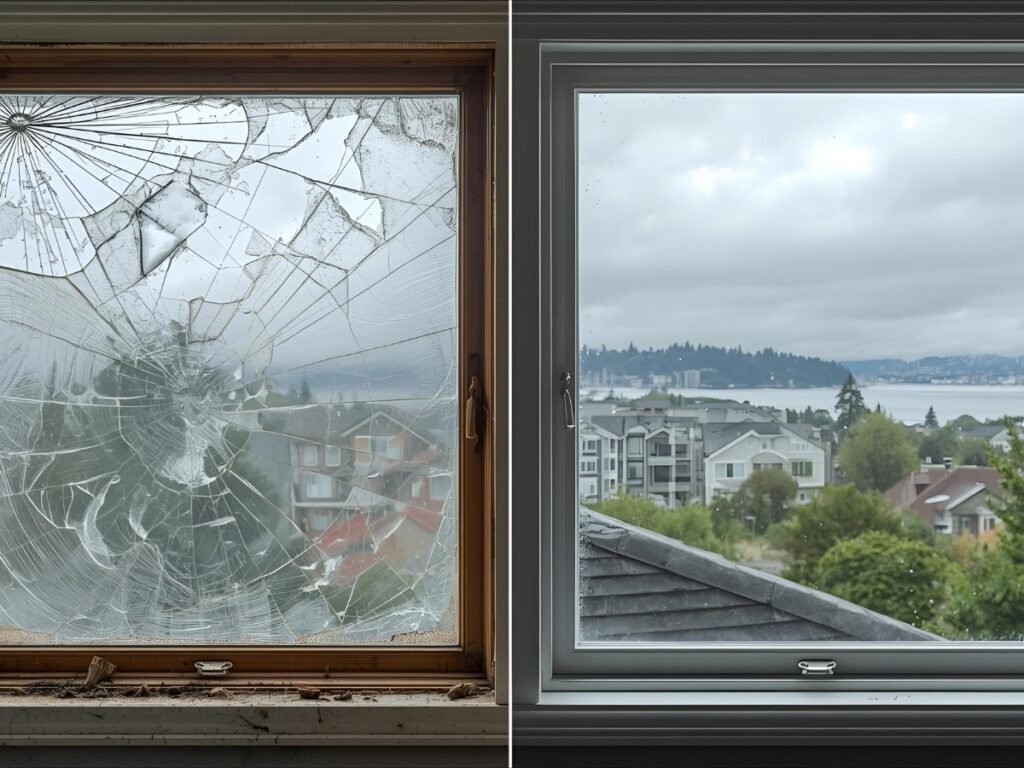
If you’re noticing any of these, your windows are already failing:
- Persistent fogging
- Peeling window frames
- Higher energy bills
- Moisture inside the house
- Difficulty opening or closing
- Cracked or noisy glass
- Mold around windows
Don’t delay — coastal damage spreads fast.
Why Choose Pacific Glass Ltd. for Coastal-Grade Windows
Homeowners across Vancouver trust Pacific Glass Ltd. because we:
- Understand local weather challenges
- Install high-performance coastal window systems
- Provide custom recommendations for neighbourhood conditions
- Offer long-term warranties
- Deliver energy-efficient and noise-reducing solutions
Local experience makes all the difference.
FAQs
Because humidity and temperature differences cause condensation inside double panes when the seal fails.
Yes — especially near coastal areas or cold zones. It reduces condensation, noise, and energy loss.
Most homes need replacement every 15–20 years, sooner if near water or wind-exposed.
Yes. Salt corrodes glass coatings, metal parts, and frames, reducing lifespan significantly.
A combination of Low-E, laminated, and triple-glazed glass offers the best durability and insulation.