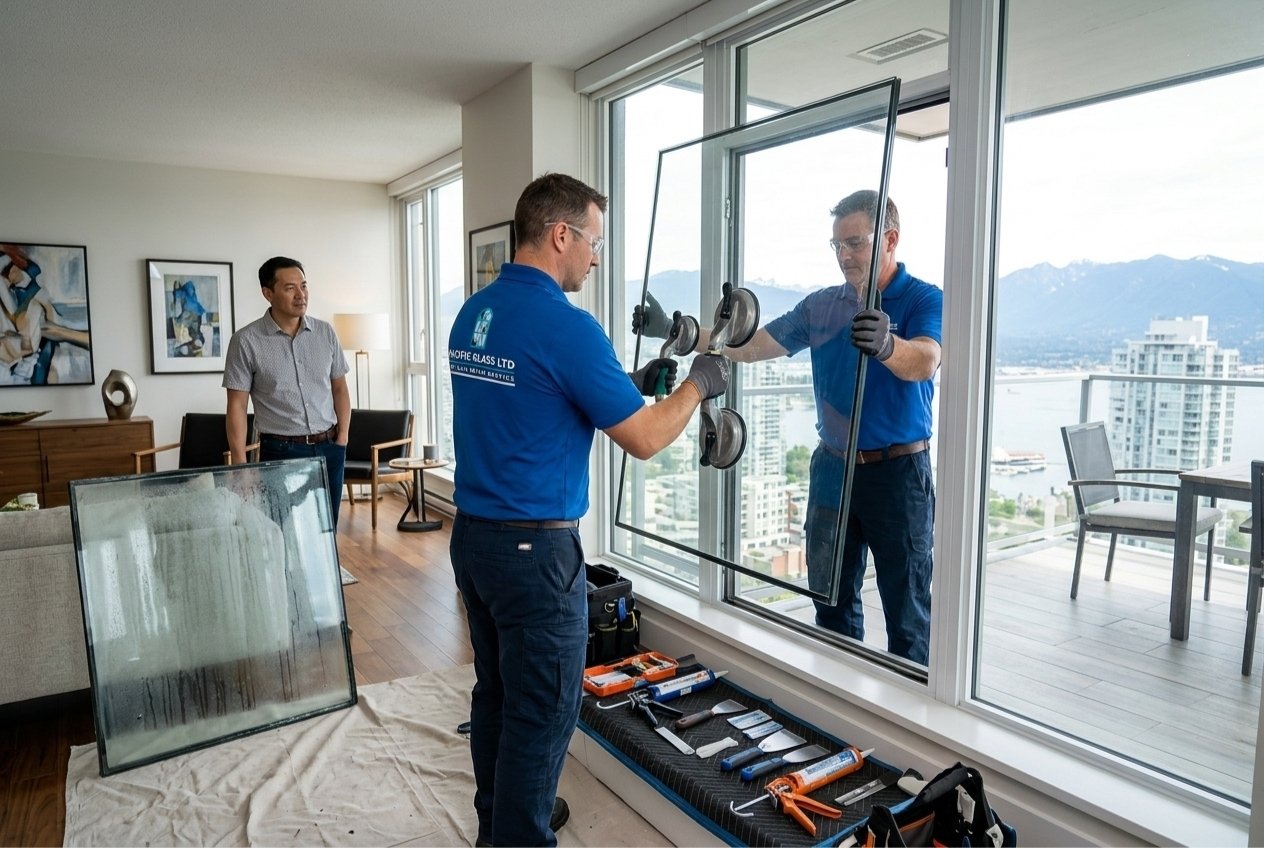
Have you ever noticed something strange about your home?
You might feel restless in one room, yet unusually calm in another—even though the furniture, colors, and layout are almost the same. More often than not, the difference comes down to light, glass, and how your brain processes space.
People don’t just live in homes. They feel them.
At Pacific Glass Ltd, homeowners across Burnaby and nearby areas often tell us the same thing after upgrading their windows or glass features:
“The house feels different now… calmer.”
That feeling isn’t imagined. It’s biological, neurological, and deeply human.
This article explores why spaces near windows feel more peaceful, how light and glass interact with the brain, and why thoughtful glass design can quietly reshape emotional wellbeing inside a home.
The Brain’s Ancient Relationship With Light
Long before walls, roofs, or windows existed, humans evolved outdoors. Our nervous systems adapted to daylight cycles, not artificial lighting.
Natural light directly affects the brain through:
- Circadian rhythm regulation
- Hormone balance
- Emotional stability
- Stress response
When sunlight enters your home through windows, it triggers photoreceptors in the eyes that communicate with the brain’s hypothalamus. This regulates melatonin and serotonin—two chemicals that directly affect calmness, sleep, and mood.
This is why:
- Rooms near windows feel more relaxing
- Morning light feels energizing but peaceful
- Dark interior spaces can feel tense or heavy
Your brain interprets light as safety and clarity.
Why Glass Changes How Space Is Perceived
Glass does something solid walls cannot: it removes visual boundaries without removing protection.
From a neurological perspective, glass:
- Expands perceived space
- Reduces feelings of confinement
- Allows visual depth
- Connects indoor and outdoor environments
When your brain can see farther—through glass—it relaxes. Confined sightlines trigger subtle stress responses because the brain associates enclosure with danger or limitation.
That’s why even small homes feel larger and calmer when they include:
- Large windows
- Glass doors
- Interior glass partitions
- Sliding glass panels
At Pacific Glass Ltd, we often explain this simply:
Your brain breathes when your eyes can.
Calm Is Not Silence—It’s Predictability
Many people assume calm comes from silence or emptiness. In reality, calm comes from predictable sensory input.
Windows offer:
- Gradual light changes
- Natural movement (clouds, trees, rain)
- Soft shadows
- Visual continuity
These elements gently stimulate the brain without overwhelming it.
Unlike artificial screens or harsh lighting, window light is:
- Non-repetitive
- Non-invasive
- Naturally rhythmic
Your brain recognizes these patterns as safe, which lowers cortisol (the stress hormone).
This is why people instinctively gravitate toward windows when reading, resting, or thinking.
The Emotional Impact of Seeing the Outdoors
You don’t need a forest view to benefit psychologically. Even urban environments provide calming cues when seen through glass.
Research shows that viewing outdoor elements—such as:
- Sky
- Trees
- Rain
- Distant buildings
- Passing light
reduces anxiety and mental fatigue.
Glass windows act as emotional buffers. They allow engagement with the world without the stress of being fully exposed to it.
Your brain interprets this as control:
“I can observe without needing to react.”
That sense of control is essential for emotional regulation.
Why Window Areas Become Emotional Anchors in Homes
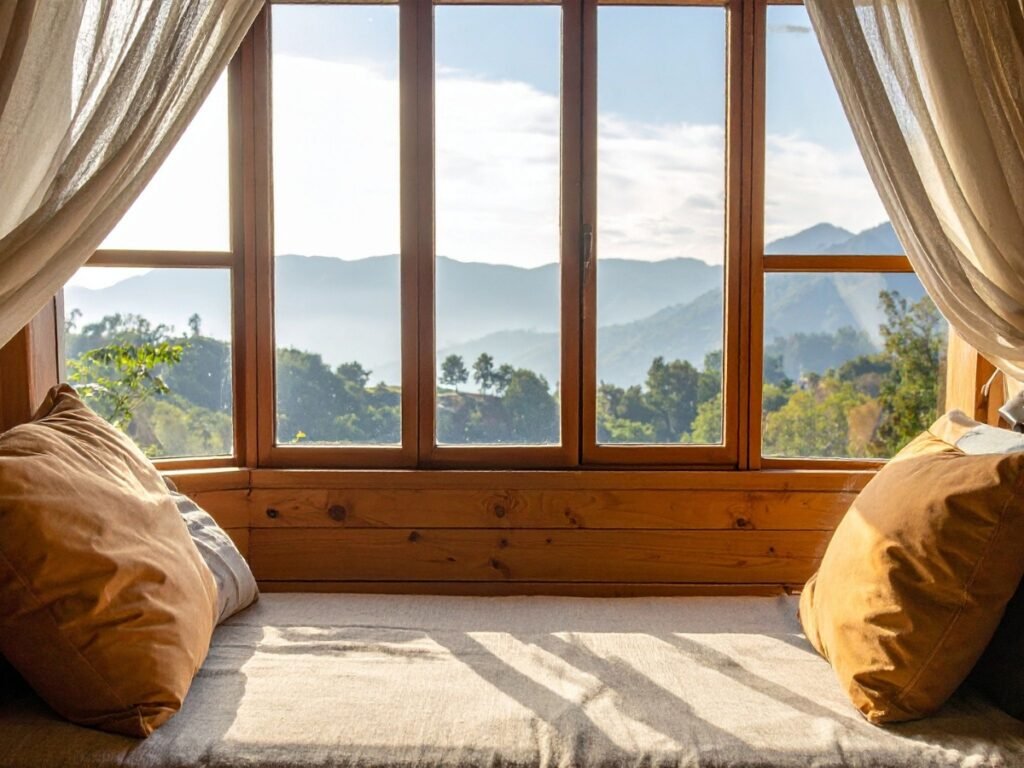
Think about where people naturally gather:
- Near windows in living rooms
- Beside patio doors
- In window seats
- Around kitchen windows
These spots become emotional anchors because they offer:
- Light
- Perspective
- Comfort
- Subtle stimulation
In homes with poor window placement or outdated glass, people often unconsciously avoid certain areas. They might describe rooms as “cold,” “off,” or “uncomfortable” without knowing why.
At Pacific Glass Ltd, we’ve seen homes transform emotionally—not just visually—after upgrading window glass quality, clarity, and placement.
Glass and the Brain’s Sense of Time
Natural light through windows helps the brain track time intuitively.
Without sufficient daylight exposure:
- Sleep cycles become disrupted
- Focus decreases
- Irritability increases
- Anxiety rises
Homes with strong window light create a gentle internal clock. Morning light energizes. Afternoon light stabilizes. Evening light softens.
This rhythm makes the home feel emotionally reliable.
Artificial lighting alone cannot replicate this effect.
Why Clear Glass Feels Different From Covered Windows
Curtains, blinds, and frosted surfaces have their place—but overuse can block emotional benefits.
Clear glass:
- Maximizes daylight
- Preserves visual depth
- Supports emotional openness
Blocked or poorly designed windows:
- Compress space
- Limit sensory input
- Increase subconscious tension
This doesn’t mean removing privacy. It means designing glass intelligently, using:
- Strategic window placement
- Proper glass coatings
- Balanced privacy solutions
Pacific Glass Ltd often helps homeowners find that balance—light without exposure, openness without vulnerability.
Emotional Safety Comes From Seeing, Not Hiding
Psychologically, humans feel safer when they can see their surroundings.
This is why:
- Glass railings feel less oppressive than solid ones
- Glass doors feel more welcoming than opaque doors
- Window-rich rooms feel emotionally lighter
Your brain doesn’t just scan for threats—it scans for exits, movement, and openness.
Glass provides reassurance without sacrificing shelter.
Why Homes With Better Windows Feel Quieter
This may sound counterintuitive, but better glass often makes homes feel quieter—even visually.
Modern glass technology reduces:
- Visual clutter
- Light distortion
- Glare
- Thermal discomfort
When the brain processes cleaner visual input, mental noise reduces.
High-quality glass installed by professionals like Pacific Glass Ltd improves not just insulation—but emotional comfort.
Children, Calmness, and Window Light
Children are especially sensitive to environmental cues.
Homes with good natural light:
- Improve focus
- Reduce irritability
- Support emotional regulation
- Encourage calm play
Kids naturally gravitate toward window-lit spaces for reading, drawing, and quiet activities. Their brains respond strongly to daylight patterns.
This is one reason families often notice behavioral improvements after upgrading windows—even without changing routines.
The Subtle Role of Glass in Mental Health
While glass alone isn’t therapy, environments matter more than we realize.
Poor lighting and enclosed spaces can contribute to:
- Low mood
- Stress
- Restlessness
- Fatigue
Thoughtful glass design supports:
- Emotional stability
- Mental clarity
- Restfulness
- Psychological comfort
Homes aren’t just shelters—they are emotional ecosystems.
Why Aging Homes Feel Heavier Emotionally
Older homes often have:
- Smaller windows
- Clouded or foggy glass
- Poor light penetration
This creates emotional heaviness—not because of style, but because the brain receives less natural sensory input.
Upgrading glass doesn’t just modernize a home—it restores emotional balance.
At Pacific Glass Ltd, homeowners often say:
“It feels like the house can breathe again.”
How Window Placement Influences Daily Mood
It’s not just about size—it’s about direction and location.
- East-facing windows boost morning calm
- South-facing windows stabilize energy
- West-facing windows create warmth and relaxation
- North-facing windows provide consistent softness
Good glass design works with the sun, not against it.
Glass as a Quiet Emotional Investment
People renovate kitchens and bathrooms for aesthetics.
They upgrade furniture for comfort.
But glass upgrades often deliver the most profound emotional change, quietly and continuously.
You don’t notice glass working.
You notice how you feel when it does.
Final Thoughts
Your home doesn’t calm you by accident.
It calms you through light, openness, rhythm, and clarity—all of which glass quietly delivers.
Windows are not just architectural features.
They are emotional regulators.
At Pacific Glass Ltd, we believe better glass doesn’t just improve homes—it improves how people feel inside them.
Because calm isn’t something you decorate.
It’s something you design.
FAQs
Natural light regulates brain chemistry and reduces stress responses, making window-lit spaces emotionally soothing.
Yes. Larger or clearer windows increase visual depth and daylight exposure, which helps the brain feel safe and relaxed.
Foggy, distorted, or poorly insulated glass can reduce light quality and visual clarity, subtly increasing discomfort and tension.
Absolutely. Natural light follows biological rhythms that artificial light cannot fully replicate.
Yes. Many homeowners experience noticeable emotional and comfort improvements after professional glass upgrades.

JAP Jabar is the highly skilled and experienced owner of Pacific Glass Ltd, a trusted leader in glass services throughout British Columbia, Canada. With over 15 years of experience in glass repair, installation, and design, JAP has built a strong reputation for excellence in providing top-tier glass solutions, including glass doors, windows, railings, balconies, and more. Whether it’s residential or commercial, JAP is committed to delivering quality and precision in every project. Pacific Glass Ltd offers a wide range of services, from sliding doors and swing doors to storefront glass, patio glass doors, mirror services, and shower glass installations, ensuring customers receive the best in durability, aesthetics, and functionality.
Pacific Glass Ltd serves clients across Burnaby, Vancouver, and greater British Columbia with a focus on offering high-end glass solutions that meet the unique needs of each space. JAP’s expertise spans multiple types of glass services, including glass & sealed unit replacement, windows repair, commercial doors, fixed walls, glass canopies, and more. As a locally owned and operated business, JAP’s commitment to excellence shines through in every project, earning him a reputation as one of the leading glass specialists in the area.