
There is a strange moment many homeowners experience, but almost never talk about.
A room that once felt warm now feels slightly cooler.
Morning light doesn’t seem as gentle as it used to be.
Outside noise feels closer.
Winter evenings feel longer, heavier, and quieter.
Nothing looks broken.
The glass is still clear.
The frames still look solid.
Yet the home feels different.
This slow, nearly invisible shift is what we call the daylight drift—the gradual way windows change how a home feels long before any obvious window “problem” appears.
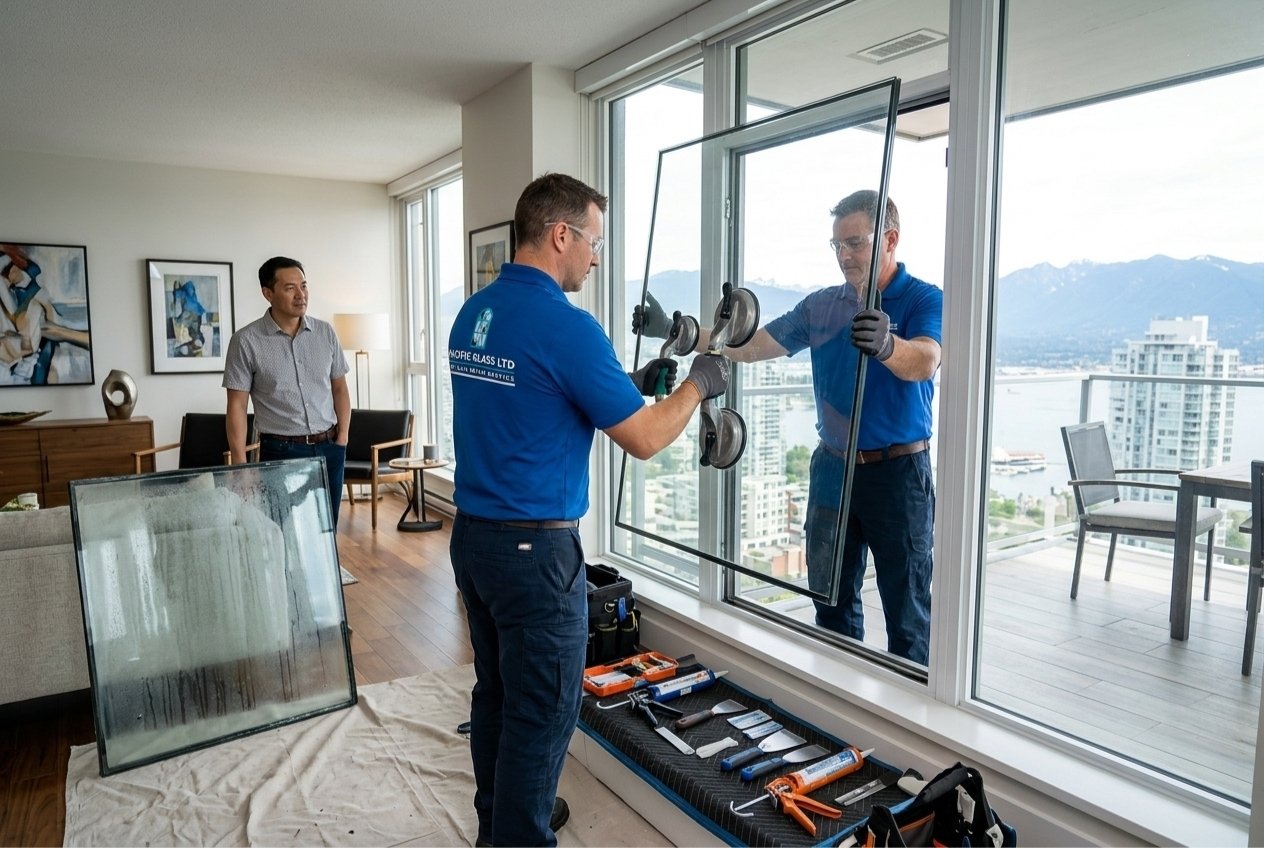
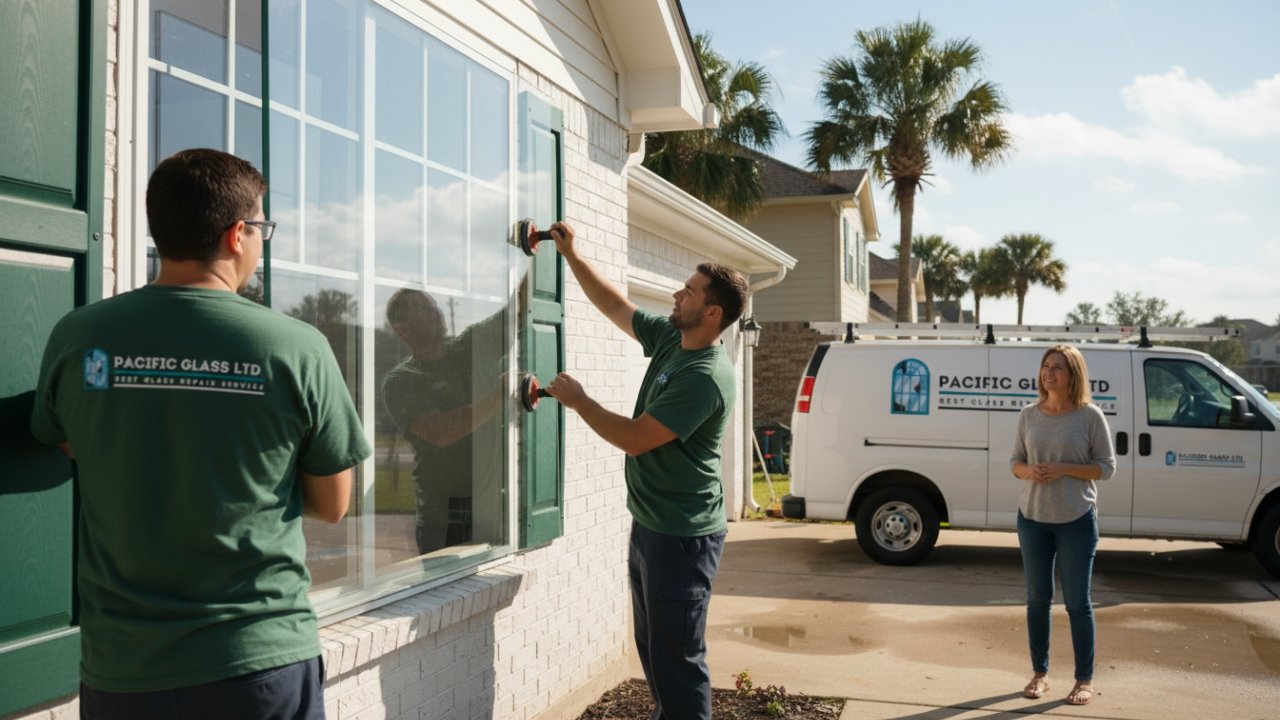
At Pacific Glass Ltd, this is one of the most common realities we see in Burnaby homes and condos. Windows don’t suddenly fail. They slowly change the relationship between your home, daylight, and comfort.
Homes Don’t Fail—They Drift
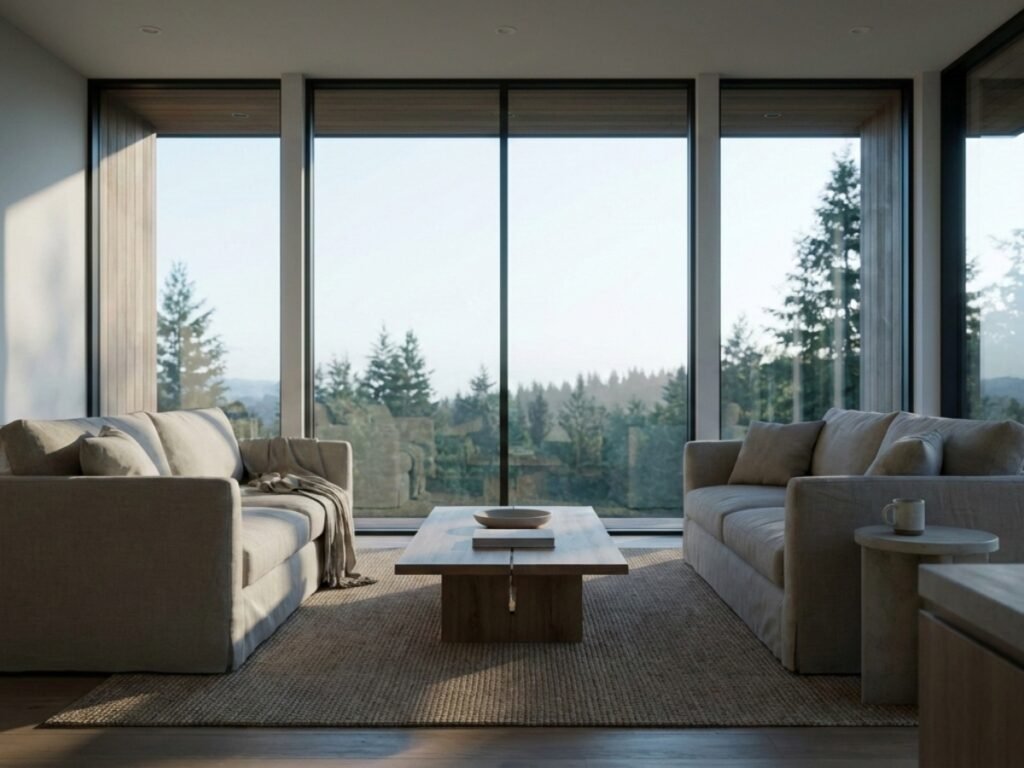
Most people expect window problems to be obvious. Fogging. Cracks. Water leaks. Drafts strong enough to feel.
But comfort doesn’t disappear all at once.
It fades.
You adapt without noticing:
- Turning the heat on earlier in the season
- Closing blinds more often
- Sitting farther from windows
- Adding thicker curtains
- Accepting that some rooms are “just colder”
This isn’t sudden failure.
It’s gradual decline.
And it often begins years before any visible sign appears.
Why Daylight Matters More Than We Think
Daylight does more than light a room.
It influences:
- Mood and mental clarity
- Body temperature perception
- Sleep cycles
- Energy levels
- Emotional comfort
Windows regulate how daylight enters your home. When they perform well, they filter brightness, retain warmth, block excess heat, and reduce outside noise.
Healthy windows make daylight feel calm, balanced, and natural.
But as windows age internally, that balance begins to shift.
The First Stage of the Daylight Drift
The earliest changes are subtle.
Light feels harsher at certain times of day.
Winter sunlight feels less warming.
Rooms feel cooler even when the thermostat says otherwise.
What’s happening?
Internally, window seals begin to weaken. Insulating gases slowly escape. Thermal performance declines—but the glass stays clear.
At this stage, most homeowners assume:
- “The weather is harsher now”
- “My heating system isn’t as strong”
- “Homes just feel colder as they age”
But in many cases, the windows have already begun their quiet decline.
Clear Glass Can Still Mean Declining Performance
One of the biggest misconceptions about windows is that clarity equals health.
It doesn’t.
Modern windows rely on sealed insulated glass units. These units trap gas between panes to control heat transfer. When seals weaken—even microscopically—performance drops.
There is no visual warning at first.
At Pacific Glass Ltd, we regularly inspect windows that look flawless but have already lost a significant portion of their insulating ability.
The daylight looks the same.
The feeling does not.
How Homes Adapt Without Owners Realizing
Humans are incredibly adaptable. When comfort changes slowly, we compensate.
You:
- Sit farther from windows in winter
- Wear thicker clothing indoors
- Adjust furniture layouts
- Close blinds earlier in the evening
None of these feel like “problems.” They feel like habits.
But those habits often begin because windows no longer manage heat and light the way they once did.
This is the daylight drift in action.
Sound Changes Before Temperature Does
One of the earliest signs of window decline isn’t temperature—it’s sound.
Outside noise slowly becomes more noticeable:
- Traffic feels closer
- Neighbors sound louder
- Wind noise increases
Sound insulation depends heavily on tight seals. As seals weaken, noise enters more easily—even while the glass remains clear.
Many homeowners think city noise has increased. In reality, their windows are simply letting more of it in.
Condos Experience Daylight Drift Faster
In Burnaby condos, daylight drift often happens faster than in detached homes.
Why?
- Higher exposure to wind and weather
- Balcony overhangs that trap moisture
- Building movement over time
- Uniform window installations aging together
At Pacific Glass Ltd, condo owners are often surprised to learn their windows are underperforming even though the building is less than 20 years old.
The structure may be modern.
The windows are already aging internally.
Why Fogging Appears So Late
Fogging between panes is what most people associate with window failure. But fogging is not the beginning—it’s the end.
By the time fog appears:
- Insulating gas is already gone
- Moisture has been entering for years
- Energy efficiency has long declined
Fogging is a symptom of long-term decline, not an early warning.
This is why waiting for visible signs often leads to higher costs.
The Emotional Side of Window Decline
Windows shape how we feel in our homes more than almost any other element.
They affect:
- Morning energy
- Evening calm
- Seasonal comfort
- Sense of openness
As daylight drift progresses, homes can feel:
- Less inviting
- More closed-in
- Colder emotionally as well as physically
Many homeowners renovate interiors to restore comfort—new floors, new paint, new lighting—without realizing the emotional change began at the windows.
Renovations Don’t Fix Daylight Drift
This is a hard truth many homeowners discover late.
No amount of interior renovation can fix declining window performance.
New lighting can’t replace natural daylight balance.
New insulation can’t fully offset failing glass.
New paint can’t restore warmth lost through inefficient windows.
At Pacific Glass Ltd, we often meet homeowners after renovations who still feel something is “off.” When we assess the windows, the answer becomes clear.
The Middle Years No One Talks About
There is a long middle phase in a window’s life—after peak performance but before visible failure.
This is the phase most homeowners live in for years without realizing it.
During this time:
- Energy bills slowly rise
- Comfort slowly declines
- Noise slowly increases
- Light slowly feels less balanced
This phase is where the smartest decisions can be made—because glass replacement is often still possible without removing frames.
Glass Replacement vs Full Replacement
One of the biggest advantages of catching daylight drift early is choice.
When frames are still in good condition, replacing insulated glass units can:
- Restore thermal performance
- Reduce noise
- Improve comfort
- Extend window lifespan
This approach is less disruptive and more cost-effective than full window replacement.
Pacific Glass Ltd specializes in identifying when this option is still viable—before decline progresses too far.
Why the “20-Year Window” Belief Falls Short
Many homeowners believe windows are designed to perform perfectly for 20–25 years.
In reality, performance depends on:
- Exposure
- Climate
- Installation quality
- Building movement
In coastal and urban environments like Burnaby, windows often begin declining much earlier—even if they physically remain in place for decades.
Rethinking Window Health
Healthy windows are not defined by appearance.
They are defined by:
- Consistent indoor temperatures
- Balanced daylight
- Quiet interiors
- Energy efficiency
If any of these have slowly changed, your windows may be aging internally—even if they look fine.
A Better Way to Think About Windows
Windows are not static building parts.
They are living systems—constantly responding to temperature, moisture, pressure, and light.
Over time, they drift.
Understanding this drift allows homeowners to:
- Act earlier
- Spend smarter
- Preserve comfort
- Avoid unnecessary replacement
How Pacific Glass Ltd Helps Homeowners See the Invisible
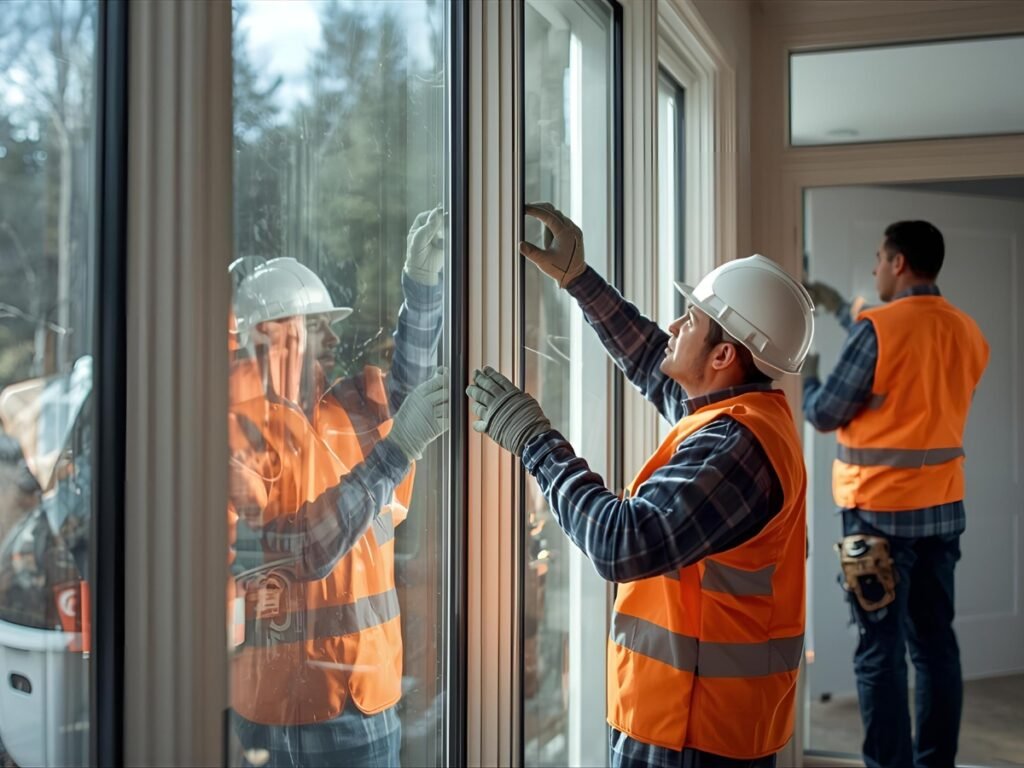
At Pacific Glass Ltd, our approach is different.
We don’t just look for cracks or fog.
We assess performance, comfort, and long-term efficiency.
We help homeowners understand:
- Where decline has started
- What options exist now
- How to restore comfort without overreplacing
Most importantly, we help homeowners reconnect with how their homes are supposed to feel.
Final Thoughts
The daylight drift doesn’t announce itself.
It whispers.
Through colder mornings.
Through harsher light.
Through louder streets.
Through rooms that no longer feel the same.
Clear glass can hide years of decline.
But your home is always communicating—if you know how to listen.
And sometimes, restoring comfort isn’t about changing your home at all.
It’s about restoring the windows that shape how you experience it every day.
FAQs
Daylight drift refers to the gradual change in how light, warmth, and comfort feel as windows lose internal performance over time.
Yes. Seals and insulation can weaken internally for years while glass remains clear.
Declining window insulation allows more heat transfer, even if the glass looks fine.
Often yes. Exposure, building movement, and shared installations can accelerate window aging.
In many cases, insulated glass replacement can restore comfort when frames are still in good condition.

JAP Jabar is the highly skilled and experienced owner of Pacific Glass Ltd, a trusted leader in glass services throughout British Columbia, Canada. With over 15 years of experience in glass repair, installation, and design, JAP has built a strong reputation for excellence in providing top-tier glass solutions, including glass doors, windows, railings, balconies, and more. Whether it’s residential or commercial, JAP is committed to delivering quality and precision in every project. Pacific Glass Ltd offers a wide range of services, from sliding doors and swing doors to storefront glass, patio glass doors, mirror services, and shower glass installations, ensuring customers receive the best in durability, aesthetics, and functionality.
Pacific Glass Ltd serves clients across Burnaby, Vancouver, and greater British Columbia with a focus on offering high-end glass solutions that meet the unique needs of each space. JAP’s expertise spans multiple types of glass services, including glass & sealed unit replacement, windows repair, commercial doors, fixed walls, glass canopies, and more. As a locally owned and operated business, JAP’s commitment to excellence shines through in every project, earning him a reputation as one of the leading glass specialists in the area.