
There is a cost most homeowners pay without ever receiving a bill.
It doesn’t arrive in the mail.
It isn’t listed on your mortgage statement.
It doesn’t show up as a single line item anywhere.
And yet, year after year, it quietly adds up.
This cost is known as the comfort tax—and your windows are often the ones collecting it.
At Pacific Glass Ltd, we see this hidden tax playing out across Burnaby homes and condos every day. Homeowners come to us not because something is visibly broken, but because their homes no longer feel the way they used to. Rooms feel colder. Noise feels closer. Energy bills creep upward. Comfort slowly erodes.
Nothing dramatic happens.
Nothing obviously fails.
But the tax is being paid—one small adjustment at a time.
What Is the Comfort Tax?
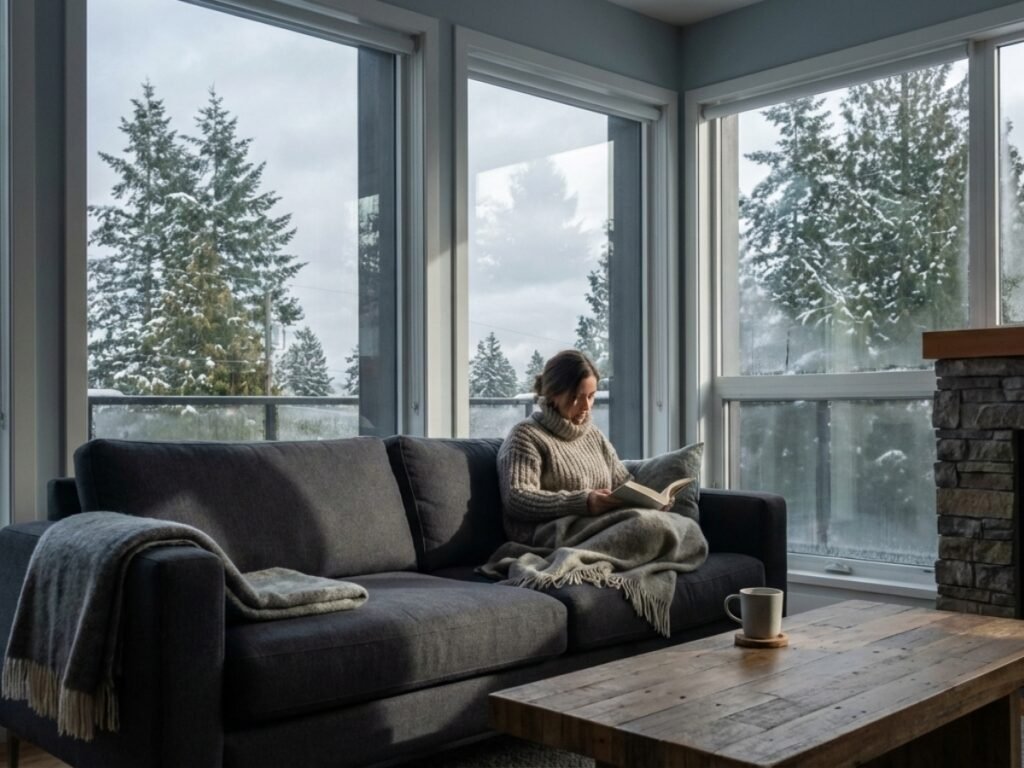
The comfort tax is the cumulative cost of living with declining window performance.
It’s paid in:
- Extra heating and cooling
- Increased energy bills
- Reduced indoor comfort
- Lost quiet
- Lifestyle compromises
Most importantly, it’s paid gradually, which is why almost no one notices when it starts.
Windows don’t suddenly stop working. They slowly stop working as well as they once did.
Why Homeowners Don’t Notice the Tax
Humans are excellent at adapting.
If a room feels slightly colder this year than last, you don’t panic. You turn the heat up a bit. You wear socks. You close the blinds earlier.
If outside noise feels a little louder, you shrug. Cities get busier, right?
If energy bills rise slowly, you blame inflation, weather, or usage.
Each change is small enough to ignore on its own. Together, they form a pattern—but patterns are hard to see when you’re living inside them.
This is why the comfort tax goes unnoticed for years.
The Silent Decline Inside Modern Windows
Modern windows are sophisticated systems. They rely on sealed insulated glass units, internal gas fills, and precise spacing to control heat, light, and sound.
Over time, those systems change.
- Seals slowly weaken
- Insulating gas gradually escapes
- Thermal performance declines
- Sound insulation softens
- Moisture resistance weakens
The glass often stays clear throughout this process. That clarity creates a false sense of security.
At Pacific Glass Ltd, we frequently inspect windows that look perfectly fine but have already lost a significant portion of their insulating ability.
The decline isn’t visible—but it’s measurable.
How Much Does the Comfort Tax Cost Each Year?
The comfort tax doesn’t hit all at once. It compounds.
Energy Costs
As windows lose efficiency, heating systems work harder in winter and cooling systems run longer in summer. Even small efficiency losses can add hundreds of dollars per year over time.
Lifestyle Costs
Rooms near windows become less usable. You avoid sitting near them. You rearrange furniture. You stop opening blinds in winter.
Emotional Costs
Homes feel less cozy, less calm, less quiet. Comfort becomes something you manage instead of something you enjoy.
Long-Term Financial Costs
Waiting too long often turns a manageable glass replacement into a full window replacement.
The longer the tax is paid, the higher the eventual bill.
The First Year You Start Paying (Without Knowing)
Most homeowners start paying the comfort tax somewhere between years 8 and 12 of a window’s life.
This is when:
- Seal integrity begins to weaken
- Insulating gas levels drop
- Performance begins to drift
There are no alarms. No warnings. No fog.
Just subtle changes in how your home feels.
By the time fogging appears, the tax has already been collected for years.
Why Clear Glass Is the Biggest Lie
Clear glass is comforting. It suggests health, strength, and reliability.
Unfortunately, glass clarity is a poor indicator of window performance.
Clear glass can still mean:
- Heat loss
- Sound leakage
- Moisture vulnerability
- Rising energy costs
At Pacific Glass Ltd, we often explain to homeowners that fogging is not the beginning of window failure—it’s the end stage.
The comfort tax starts long before that.
Condos Pay the Comfort Tax Faster
In Burnaby condos, the comfort tax often accumulates more quickly.
Why?
- Increased wind exposure
- Balcony designs that trap moisture
- Uniform window installations aging together
- Building movement over time
Condo owners frequently assume window issues are “strata problems” or that newer buildings are immune.
In reality, many modern condos begin paying the comfort tax within their first decade.
How the Tax Shows Up in Daily Life
The comfort tax doesn’t announce itself loudly. It whispers.
You notice it when:
- Morning sunlight feels colder than it used to
- Winter evenings feel longer
- Outside noise feels closer
- Certain rooms are avoided seasonally
None of these feel urgent. They feel like normal aging.
But homes don’t age emotionally without a cause.
Why Renovations Don’t Eliminate the Tax
Many homeowners attempt to “fix” comfort loss with renovations.
New floors.
New lighting.
New paint.
New furniture.
These improvements help—but they don’t address the source.
If windows are underperforming, renovations only mask the symptoms.
At Pacific Glass Ltd, we regularly hear homeowners say:
“We renovated, but something still feels off.”
That “something” is often the comfort tax still being collected through aging glass.
The Point Where the Tax Becomes Painful
There’s a tipping point.
After enough years of decline:
- Heating costs spike noticeably
- Condensation appears
- Fogging finally shows up
- Moisture damage begins
At this stage, options are fewer and costs are higher.
What could have been a strategic glass replacement becomes a disruptive, expensive project.
The Opportunity Most Homeowners Miss
The most powerful moment to act is before visible failure.
In this middle phase:
- Frames are still solid
- Performance can often be restored
- Glass-only replacement may be possible
- Comfort can be recovered quickly
This is where smart homeowners stop the comfort tax instead of continuing to pay it.
Pacific Glass Ltd specializes in identifying this window of opportunity.
Why the “20-Year Window” Belief Is Costly
Many homeowners believe windows are designed to perform perfectly for 20–25 years.
In reality:
- Frames may last decades
- Sealed glass units often do not
Performance lifespan depends on:
- Exposure
- Climate
- Installation quality
- Maintenance
In coastal environments like Burnaby, internal decline often begins much earlier than expected.
The comfort tax doesn’t care what the warranty says.
How Pacific Glass Ltd Helps Homeowners Stop the Tax
At Pacific Glass Ltd, we approach windows differently.
We don’t wait for cracks or fog.
We assess comfort, performance, and long-term efficiency.
We help homeowners:
- Identify hidden performance loss
- Understand realistic options
- Restore comfort without unnecessary replacement
- Make informed, cost-effective decisions
Our goal isn’t to sell more—it’s to stop homeowners from paying a tax they never agreed to.
Rethinking What “Healthy Windows” Mean
Healthy windows don’t just look good.
They:
- Maintain consistent temperatures
- Preserve quiet
- Balance daylight
- Support energy efficiency
If your home requires constant adjustments to feel comfortable, your windows may already be collecting their fee.
The True Cost of Doing Nothing
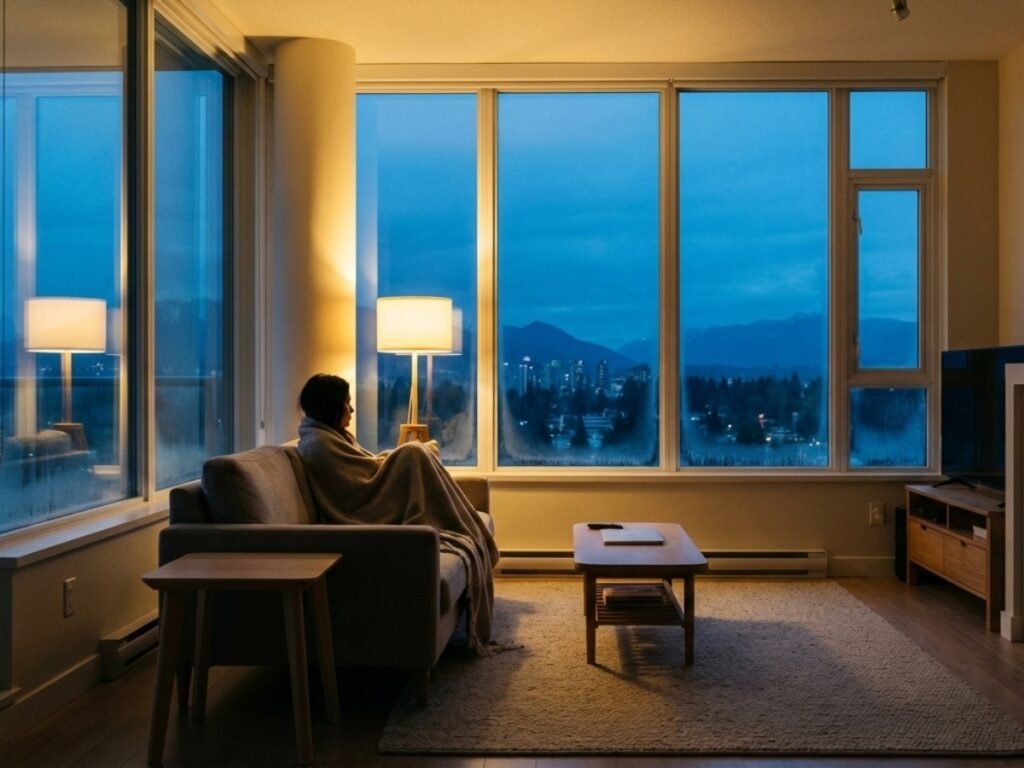
Doing nothing feels safe.
But doing nothing is still a choice—and often the most expensive one.
The comfort tax grows every year you wait.
Stopping it early protects:
- Your comfort
- Your energy costs
- Your home’s long-term value
Final Thoughts
Comfort isn’t something homeowners should pay for repeatedly.
It should be built into the home itself.
If your windows are quietly charging you every year—in energy, noise, and lost enjoyment—it may be time to ask why.
The most expensive problems are often the ones we learn to live with.
And sometimes, the smartest upgrade isn’t visible at all—it’s the one that restores how your home is supposed to feel.
FAQs
The window comfort tax refers to the gradual loss of comfort and efficiency caused by aging windows, often before visible damage appears.
Yes. Internal seal failure and insulation loss can increase energy use while glass remains clear.
Many windows begin losing performance between 8 and 12 years, depending on exposure and environment.
Wind exposure, balcony design, and building movement often accelerate window performance decline in condos.
In many cases, replacing insulated glass units can restore comfort if frames are still in good condition.

JAP Jabar is the highly skilled and experienced owner of Pacific Glass Ltd, a trusted leader in glass services throughout British Columbia, Canada. With over 15 years of experience in glass repair, installation, and design, JAP has built a strong reputation for excellence in providing top-tier glass solutions, including glass doors, windows, railings, balconies, and more. Whether it’s residential or commercial, JAP is committed to delivering quality and precision in every project. Pacific Glass Ltd offers a wide range of services, from sliding doors and swing doors to storefront glass, patio glass doors, mirror services, and shower glass installations, ensuring customers receive the best in durability, aesthetics, and functionality.
Pacific Glass Ltd serves clients across Burnaby, Vancouver, and greater British Columbia with a focus on offering high-end glass solutions that meet the unique needs of each space. JAP’s expertise spans multiple types of glass services, including glass & sealed unit replacement, windows repair, commercial doors, fixed walls, glass canopies, and more. As a locally owned and operated business, JAP’s commitment to excellence shines through in every project, earning him a reputation as one of the leading glass specialists in the area.