
Most homeowners think of glass as static.
Installed once. Forgotten quickly.
Expected to behave the same way every day, every year, forever.
But glass doesn’t just exist inside a home.
It observes.
It absorbs.
And over time, it quietly learns.
Long before windows crack, fog, or visibly fail, they adapt to the home they live in—and that adaptation slowly reshapes comfort in ways most people never connect to their windows at all.
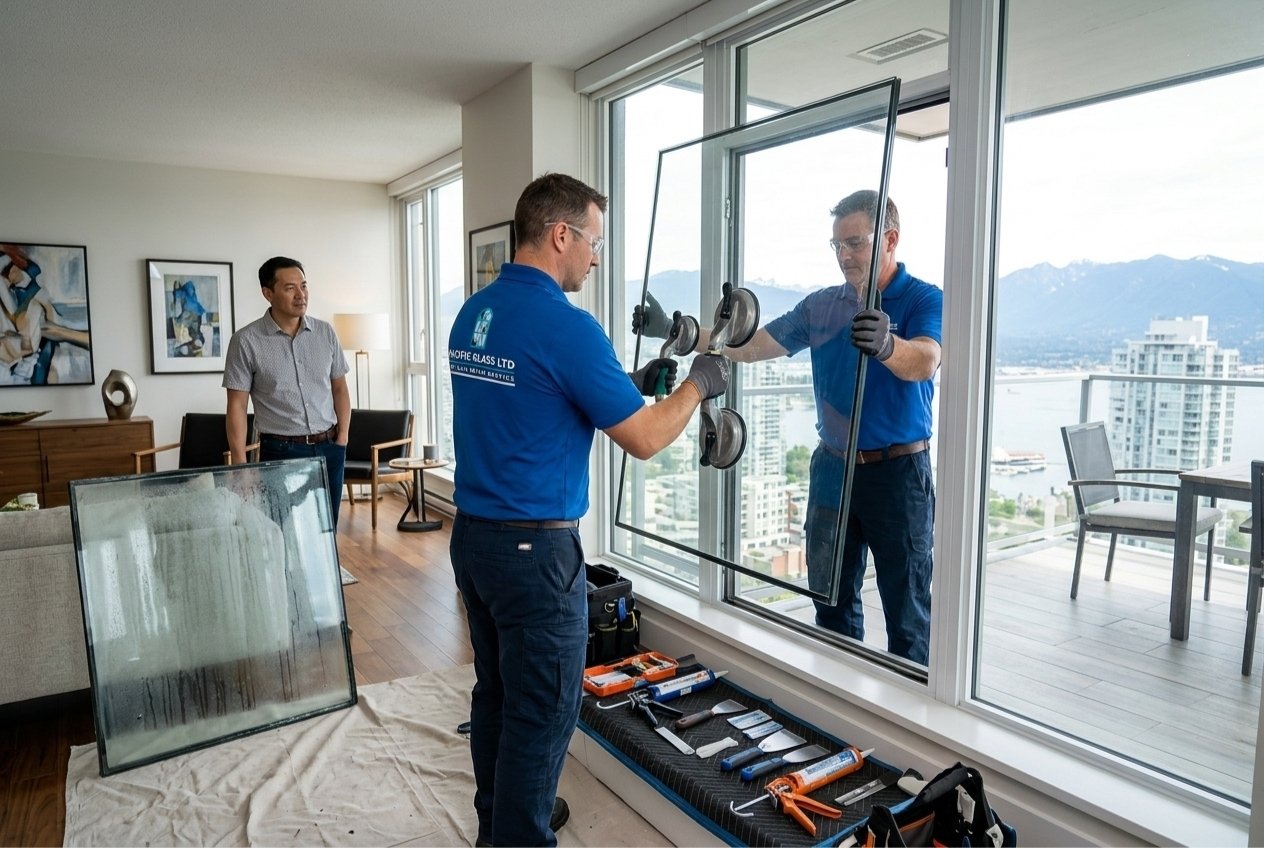
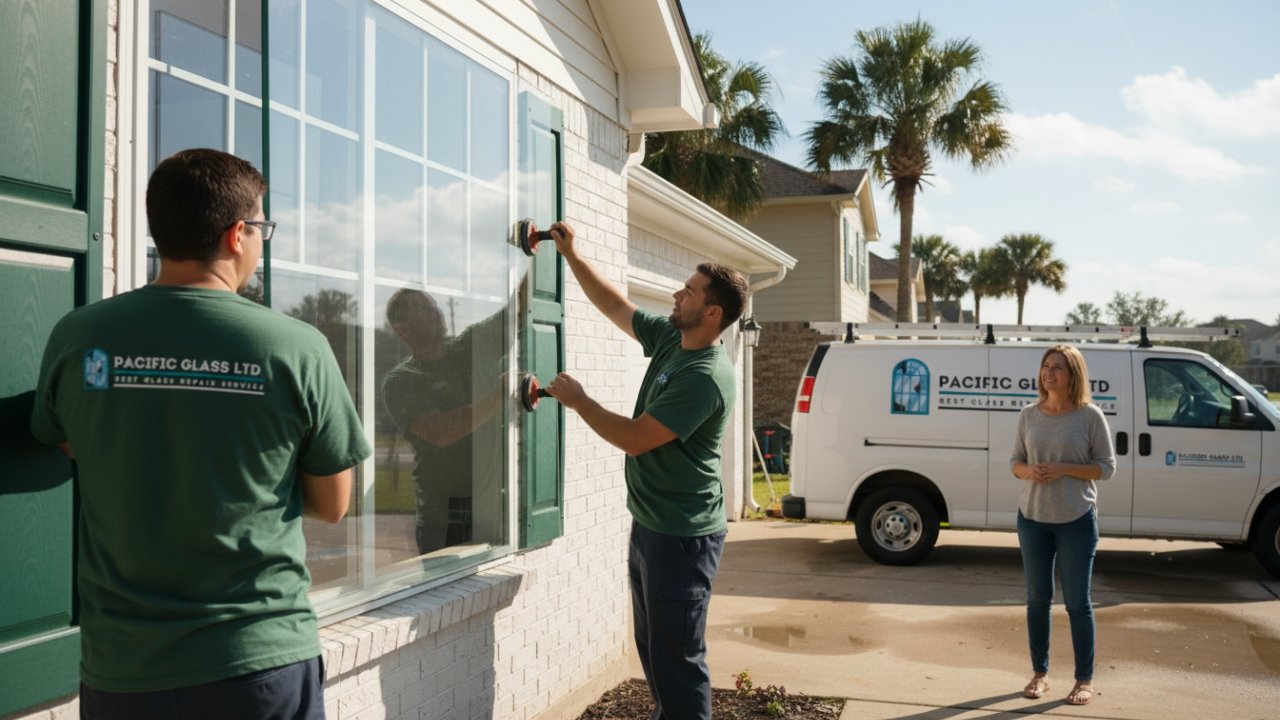
At Pacific Glass Ltd, this invisible story is something we see every day. Not because the glass looks broken—but because it behaves differently than it once did.
This is the story of how glass learns your home, and why that learning changes everything.
Homes Are Living Environments—Not Static Spaces
A home is not a still photograph.
It’s a moving system.
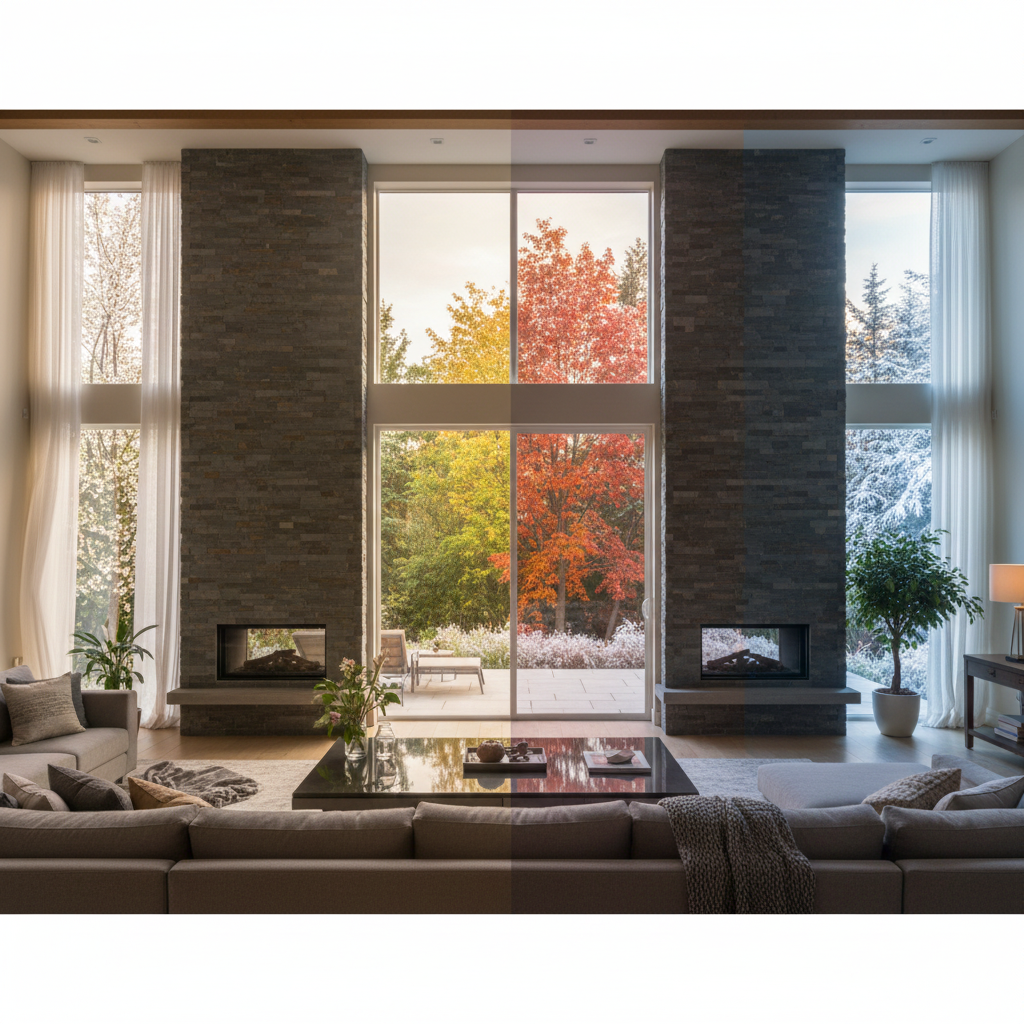
Every day, temperatures rise and fall.
Sunlight shifts angles across rooms.
Humidity levels breathe in and out.
Indoor air presses against glass, then pulls away.
Your windows sit at the center of this motion.
They separate indoors from outdoors—but they also mediate between the two. Over time, glass becomes deeply familiar with the rhythms of your home:
- Morning warmth in the kitchen
- Afternoon glare in the living room
- Nighttime cooling near bedrooms
- Seasonal humidity changes near bathrooms
This constant exposure creates subtle stress patterns—not damage, but memory.
And memory changes performance.
The Quiet Education of Glass
From the first day glass is installed, it begins learning:
- How quickly your home heats up
- Where warm air consistently presses
- Which side of the house holds moisture longer
- How often temperature swings happen
These patterns repeat thousands of times a year.
Glass responds not by breaking—but by adjusting internally.
Molecular tension shifts.
Seal elasticity changes.
Thermal behavior becomes slightly less responsive.
Not enough to alarm you.
Just enough to change how the room feels.
Most homeowners don’t notice this shift because it doesn’t happen suddenly. It happens like aging—slow, quiet, and cumulative.
Why Comfort Changes Before Anything Looks Wrong
One of the most misunderstood things about windows is this:
Visual clarity does not equal performance health.
Glass can look perfect while performing very differently than it did five or ten years ago.
This is why homeowners often say:
- “The house feels colder than it used to.”
- “Rooms don’t stay warm anymore.”
- “It’s not drafty, but something feels off.”
- “Sound carries inside more than before.”
These are not random sensations.
They are early signs of glass adaptation.
At Pacific Glass Ltd, we often inspect windows that appear flawless—yet show clear performance fatigue once tested or compared to newer units in the same home.
How Seasons Teach Glass New Behaviors
Each season leaves a lesson behind.
Winter Teaches Resistance
Cold air presses inward.
Warm indoor air pushes outward.
Glass learns to tolerate pressure—but loses some responsiveness.
Summer Teaches Expansion
Heat stretches materials.
Seals flex daily.
UV exposure subtly stiffens edges.
Spring Teaches Moisture
Humidity fluctuates.
Condensation cycles come and go.
Glass learns where moisture lingers longest.
Fall Teaches Transition
Rapid temperature changes.
Longer cooling periods.
Repeated contraction and relaxation.
Glass doesn’t forget these lessons.
It stores them.
And over years, this stored experience reshapes how well it manages comfort.
Sound Is Often the First Thing to Change
Before temperature issues become obvious, sound behavior often shifts.
Homeowners rarely blame windows for this, but they should.
When glass adapts and internal seals lose some flexibility, sound insulation weakens slightly. Outside noise doesn’t crash in—it creeps.
Traffic hum.
Distant voices.
Wind movement.
Nothing dramatic. Just noticeable enough that silence doesn’t feel as deep as it once did.
This is one of the earliest indicators Pacific Glass Ltd looks for when evaluating window performance—not because it’s alarming, but because it’s revealing.
Light Changes Before Heat Does
Another quiet shift happens with light.
Not brightness—but quality.
Rooms may feel harsher at certain times of day.
Glare becomes more noticeable.
Warm sunlight feels sharper instead of softer.
This happens because adapted glass transmits and reflects light slightly differently than it once did.
Homeowners often blame furniture placement, paint colors, or even their eyesight—rarely realizing their windows have changed how light enters the space.
Why Glass Adapts Instead of Fails
Windows are engineered to last—but longevity doesn’t mean consistency.
Modern insulated glass units are designed to absorb stress, not reject it entirely. That absorption protects against sudden failure but leads to long-term adaptation.
Think of it like a well-used mattress.
It doesn’t collapse overnight.
It slowly shapes itself around repeated pressure.
Glass behaves the same way.
By the time visible signs appear—fogging, seal failure, moisture intrusion—the adaptation process has often been happening for years.
The Middle Years: Where Most Homes Live
Most homes are not new.
They are not failing either.
They live in the middle years—where glass is still intact, but no longer neutral.
This is the most overlooked stage of window life.
Comfort issues feel vague.
Energy bills creep upward.
Rooms feel inconsistent.
And homeowners are told:
“That’s just how houses age.”
At Pacific Glass Ltd, we know that’s not the full story.
Often, it’s not the house—it’s the glass that has quietly learned too much.
Frames Don’t Tell the Whole Story
Many homeowners assume window performance equals frame condition.
But frames age differently than glass.
Frames show wear visually.
Glass shows wear behaviorally.
This is why full window replacement is often unnecessary.
In many cases, targeted glass replacement restores comfort dramatically—without disturbing frames, walls, or finishes.
Pacific Glass Ltd specializes in identifying when glass adaptation—not structural failure—is the true cause of comfort loss.
Why Doing Nothing Feels Easier (But Costs More)
Adaptation is sneaky.
Because comfort loss is gradual, homeowners adjust:
- Adding sweaters
- Turning up thermostats
- Using heavier curtains
- Ignoring subtle noise
But these adjustments accumulate costs—financial and emotional.
Higher energy use.
Less restful spaces.
Homes that don’t feel as calm as they used to.
The longer glass is allowed to adapt unchecked, the harder it becomes to remember how comfortable the home once felt.
Re-Teaching Glass How to Perform
The good news?
Glass doesn’t need to unlearn everything—it just needs a reset.
By replacing aging insulated glass units while keeping existing frames, Pacific Glass Ltd helps homes recover:
- Stable indoor temperatures
- Softer, balanced daylight
- Reduced noise intrusion
- Lower energy demand
Homeowners are often shocked at how immediate the difference feels—not because the house changed, but because the windows stopped carrying old habits.
Why Awareness Is the First Upgrade
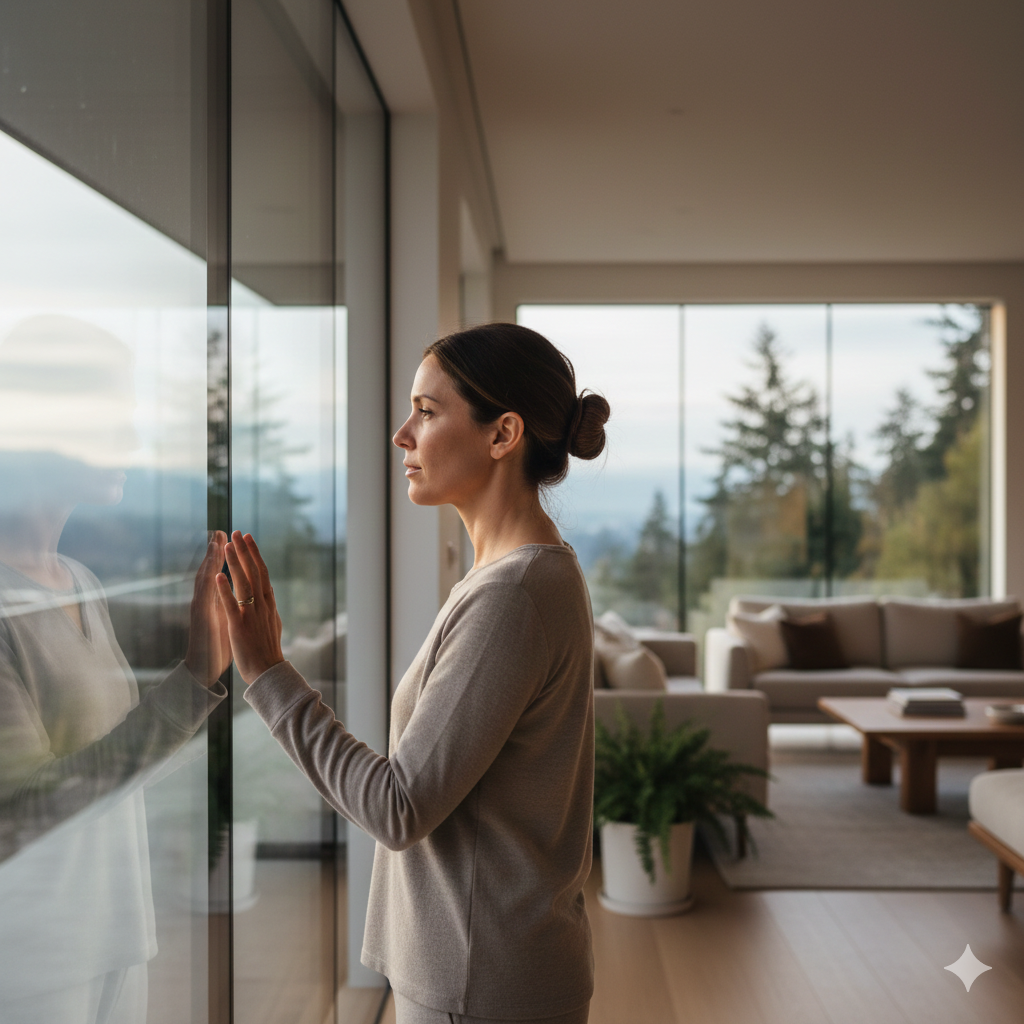
The most powerful change isn’t replacement—it’s recognition.
Once homeowners understand that glass adapts, they stop blaming themselves, their homes, or the climate.
They realize comfort loss isn’t random.
It’s learned behavior.
And learned behavior can be corrected.
The Invisible Relationship Between Home and Glass
Your windows have been with your home through:
- Heatwaves
- Cold snaps
- Storms
- Quiet mornings
- Long winters
They’ve absorbed every one of those moments.
At Pacific Glass Ltd, we don’t just replace glass—we help homeowners understand what their windows have been through, and what they need next.
Because comfort isn’t lost all at once.
It drifts.
And with the right insight, it can be restored just as quietly.
Final Thoughts
Glass doesn’t fail loudly.
It learns silently.
If your home feels subtly different than it once did, it may not be aging—it may be adapting.
And adaptation doesn’t have to be permanent. Pacific Glass Ltd helps homeowners recognize the invisible shifts, reset performance, and bring comfort back to where it belongs—effortless, balanced, and familiar.
FAQs
Yes. Windows often lose thermal and sound insulation performance long before fogging or cracks appear.
Gradual glass adaptation to seasons can reduce insulation efficiency, affecting temperature balance and comfort.
Not always. Many homes only require insulated glass replacement, not new frames.
Performance can begin declining after 10–15 years, depending on exposure and climate conditions.
Pacific Glass Ltd evaluates glass performance, identifies hidden issues, and restores comfort with targeted solutions.

JAP Jabar is the highly skilled and experienced owner of Pacific Glass Ltd, a trusted leader in glass services throughout British Columbia, Canada. With over 15 years of experience in glass repair, installation, and design, JAP has built a strong reputation for excellence in providing top-tier glass solutions, including glass doors, windows, railings, balconies, and more. Whether it’s residential or commercial, JAP is committed to delivering quality and precision in every project. Pacific Glass Ltd offers a wide range of services, from sliding doors and swing doors to storefront glass, patio glass doors, mirror services, and shower glass installations, ensuring customers receive the best in durability, aesthetics, and functionality.
Pacific Glass Ltd serves clients across Burnaby, Vancouver, and greater British Columbia with a focus on offering high-end glass solutions that meet the unique needs of each space. JAP’s expertise spans multiple types of glass services, including glass & sealed unit replacement, windows repair, commercial doors, fixed walls, glass canopies, and more. As a locally owned and operated business, JAP’s commitment to excellence shines through in every project, earning him a reputation as one of the leading glass specialists in the area.