Most people assume glass is “just clear” — a silent material that exists merely to let the sun in and keep the wind out.
But glass is never neutral.
Every tint, every shade, every controlled layer of glass acts like a tiny emotional architect shaping how people think, feel, and perform throughout their day.
A home full of warm light feels alive.
A workspace tinted with cool tones feels sharper, quieter.
A bedroom washed in soft, muted hues whispers calm.
This is the silent power of tinted glass — a design decision that becomes a psychological experience.
And as modern homeowners seek environments that help them relax, focus, or simply feel good, the conversation around glass tint and human behavior has become more important than ever.
At Pacific Glass LTD, we’ve seen how simply changing the tint of one window can transform the energy of an entire room.
Today, we’re diving into how different tints influence mood, productivity, stress levels, and even creativity.
Why Color Matters More Than People Think
Humans aren’t just observers of light — we respond to it automatically.
Colors have measurable effects on:
- Heart rate
- Stress hormones
- Mental clarity
- Decision-making
- Motivation
- Temperature perception
- Emotional regulation
- Sleep cycles
Tinted glass isn’t “just decorative.” It’s a psychological environment setter.
Think of tint as:
- a filter for your energy,
- a thermostat for your emotions,
- and a designer for your productivity.
Let’s break down what different tints do to your mind and mood.
Grey Tint: The Focus Booster
✔ What It Feels Like
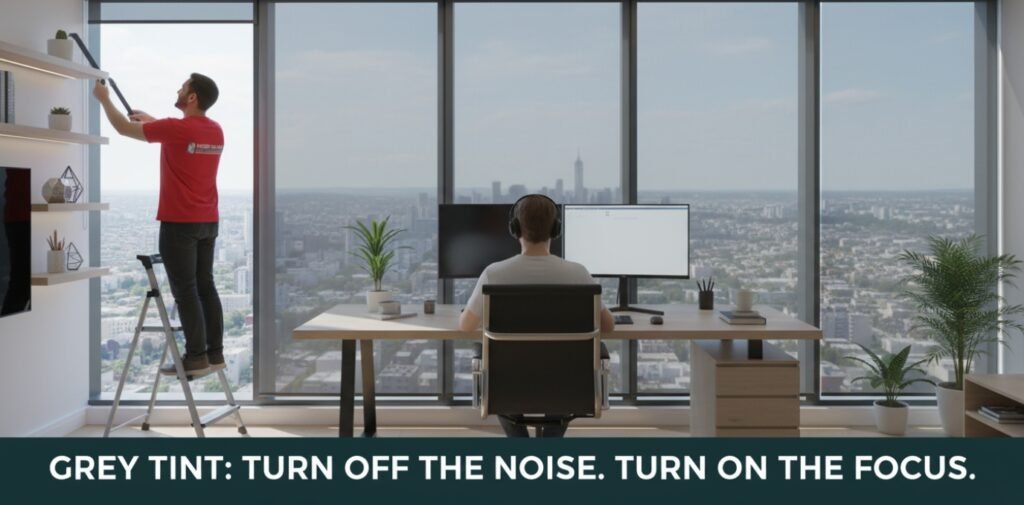
Grey tint creates a space that feels clean, organized, quiet, and mentally sharp.
It reduces glare dramatically, which lowers:
- eye strain
- digital fatigue
- irritability
✔ Psychological Impact
Grey tint is known to:
- enhance concentration
- reduce emotional overstimulation
- promote logical thinking
- improve task endurance
This is why high-performance workspaces, home offices, and design studios often choose grey-tinted glass.
✔ Perfect For:
- Remote workers
- Designers
- Students
- Content creators
- Anyone who needs long hours of calm focus
✔ Best Rooms
- Offices
- Study rooms
- Gaming setups
- Studios
In short: Grey tint turns a room into a mental sanctuary for productivity.
Blue Tint: The Calm Intelligence Tint
✔ What It Feels Like
Blue light is naturally associated with coolness, clarity, and mental refreshment.
Walking into a blue-tinted room feels like stepping into a space where your brain finally exhales.
✔ Psychological Impact
Blue tint:
- lowers anxiety
- improves communication
- increases problem-solving ability
- supports long, mentally heavy tasks
- makes spaces feel larger
Studies show that blue environments improve:
- accuracy
- memory retention
- decision-making
✔ Perfect For:
- Meeting rooms
- Conference areas
- Creative planning spaces
- Libraries
- Bedrooms for people who get overstimulated
✔ Best Rooms
- Home offices
- Bathrooms
- Studios
- Reading corners
In short: Blue tint calms the emotions and sharpens the mind at the same time.
Green Tint: The Balance Maker
✔ What It Feels Like
Green is the color of nature — a tint that brings freshness, emotional balance, and quiet stability.
Green-tinted glass feels organic, restful, and grounding.
✔ Psychological Impact
Green tint:
- reduces mental fatigue
- increases creative thinking
- steadies emotional fluctuations
- provides a sense of harmony and safety
This tint is perfect for anyone whose daily routine feels chaotic.
✔ Perfect For:
- Creative workers
- Parents
- Overthinkers
- Homeowners who want serenity
✔ Best Rooms
- Living rooms
- Bedrooms
- Kitchens
- Any room with plants
In short: Green tint creates a space where the mind resets and creativity grows.
Bronze Tint: The Warm Comfort Tint
✔ What It Feels Like
Bronze tint is warm, soft, and nostalgic.
It makes sunlight feel like late afternoon — gentle, cozy, and emotionally soothing.
✔ Psychological Impact
Bronze tint:
- increases feelings of safety
- enhances relaxation
- creates a welcoming atmosphere
- softens the mood
Homes that feel “cold” or “empty” transform dramatically with bronze tint.
✔ Perfect For:
- Families
- New homeowners
- People who want warmth without artificial lighting
✔ Best Rooms
- Living rooms
- Dining rooms
- Hallways
- Bedrooms
In short: Bronze tint turns a house into a home.
Amber Tint: The Energy Regulator
✔ What It Feels Like
Amber tint adds a warm glow that feels like sunrise.
It’s energizing but not intense — great for lifting morning mood.
✔ Psychological Impact
Amber tint:
- improves morning productivity
- boosts motivation
- increases emotional warmth
- reduces depressive tones in dark homes
Perfect for people who struggle with low energy early in the day.
✔ Best For:
- Kitchens
- Breakfast nooks
- Workout spaces
- Entrances / hallways
In short: Amber tint wakes up the mind without overstimulation.
Violet Tint: The Creativity Amplifier
✔ What It Feels Like
Violet tint feels mysterious, luxurious, imaginative, and deeply emotional.
It’s rare in residential setups, but incredibly powerful.
✔ Psychological Impact
Violet tint:
- stimulates imagination
- supports introspection
- enhances artistic expression
- helps with deep conceptual thinking
✔ Perfect For:
- Artists
- Musicians
- Writers
- Designers
- Anyone working in idea-based fields
✔ Best Rooms
- Studios
- Reading nooks
- Creative corners
- Bedrooms
In short: Violet tint creates a dream-space for imagination to grow.
Clear Glass: The Pure Light Mood
Let’s not forget the classic.
✔ What It Feels Like
Clear glass is open, neutral, bright, and honest.
✔ Psychological Impact
Clear glass:
- boosts serotonin
- increases alertness
- enhances morning mood
- improves visual connection to the outside world
Great for homes that rely on natural light for comfort.
✔ Best Rooms
- Anywhere, especially
- living rooms
- balconies
- sunrooms
- living rooms
In short: Clear glass maximizes natural energy and visibility.
How Glass Tint Affects Productivity
Here’s where mood meets measurable output.
Comparison Table: Productivity Impact by Tint
| Tint Color | Impact on Focus | Creativity | Stress | Energy | Best For |
| Grey | ★★★★★ | ★★☆☆☆ | ★★★★★ | ★★☆☆☆ | Deep work |
| Blue | ★★★★★ | ★★★☆☆ | ★★★★★ | ★★★☆☆ | Problem-solving |
| Green | ★★★★☆ | ★★★★☆ | ★★★★★ | ★★★★☆ | Brain balance |
| Bronze | ★★☆☆☆ | ★★★☆☆ | ★★★★☆ | ★★★☆☆ | Relaxed work |
| Amber | ★★★☆☆ | ★★★☆☆ | ★★★☆☆ | ★★★★★ | Morning energy |
| Violet | ★★☆☆☆ | ★★★★★ | ★★★☆☆ | ★★★☆☆ | Creative work |
| Clear | ★★★★☆ | ★★★☆☆ | ★★★☆☆ | ★★★★★ | General productivity |
This table helps homeowners instantly understand what each tint does for their daily life.
How Pacific Glass LTD Uses Tint to Craft Personalized Environments
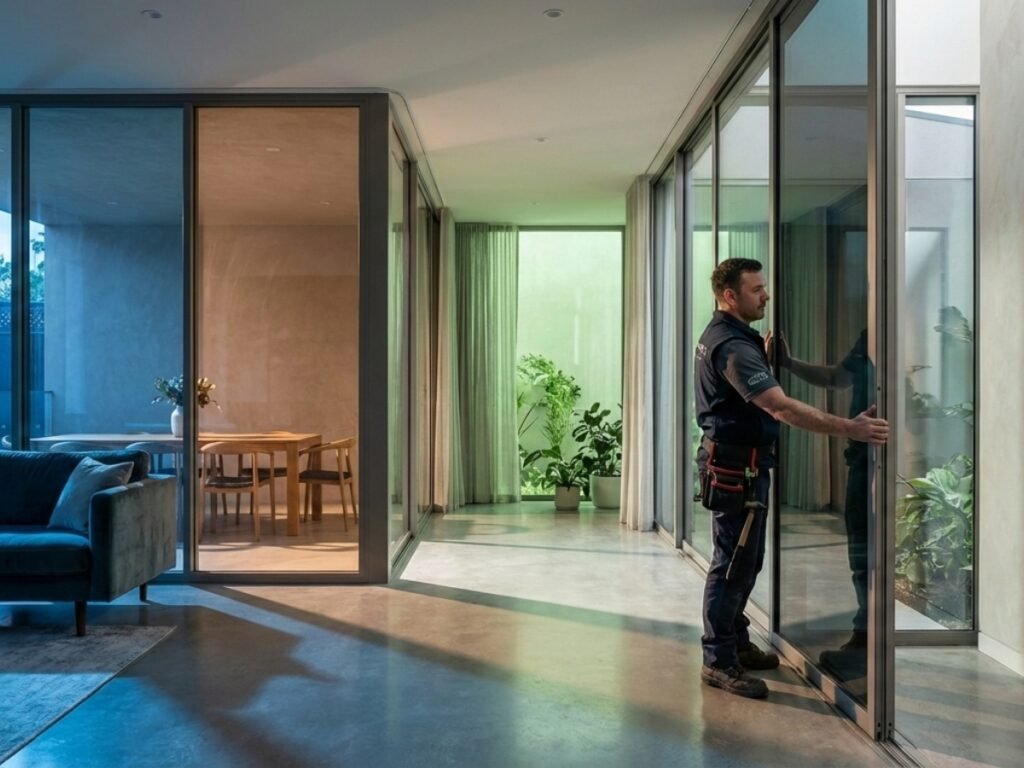
At Pacific Glass LTD, we don’t just install windows —
we design emotional atmospheres.
When choosing a tint, we consider:
- the room’s purpose
- your lifestyle
- daylight direction
- furniture tone
- colors in the space
- how you want the room to feel
- your daily productivity patterns
It’s not about “adding tint.”
It’s about engineering the mood of your home.
Your environment should feel like:
- your energy
- your personality
- and your comfort
Tint turns that vision into reality.
Symbol Map: What Each Tint Feels Like Emotionally
Here’s a symbolic look at the emotional meaning of each tint:
- Grey → Focus
- Blue → Calm Intelligence
- Green → Balance
- Bronze → Warmth
- Amber → Motivation
- Violet → Creativity
- Clear → Openness
Symbols help readers connect tint to emotion instantly.
How to Choose the Right Tint for Your Personality
For Fast-Thinkers → Grey or Blue
For Deep-Feelers → Violet or Bronze
For Balanced Lifestyles → Green
For Low Morning Energy → Amber
For Visual Lovers → Clear
Mood + personality = perfect tint match.
FAQs
Yes. Light and color directly affect your brain’s emotional and cognitive centers. Tints filter light in ways that alter mood, stress, creativity, and energy.
Not if chosen correctly. Modern tints enhance comfort while maintaining healthy light levels.
Grey or blue — both support focus and reduce mental noise.
Absolutely. Green, bronze, or violet tints create relaxing, sleep-friendly environments.
Yes. High-quality tinting improves energy efficiency, aesthetics, comfort, and long-term property appeal