Homes do not lose comfort in one dramatic moment.
There is no alarm bell, no sudden warning, no loud signal that something is wrong. Instead, comfort fades quietly—through tiny shadows, slight dimness, subtle dark shapes forming in corners, along walls, and around window edges.
Those small dark zones, the ones you don’t notice at first, are the real thieves of comfort. They multiply slowly, rearranging the atmosphere of your home without permission.
This is the story of how those dark pockets form, why they grow faster than you expect, and how Pacific Glass LTD helps homeowners reclaim the brightness, openness, and emotional balance that every room deserves.
The Subtle Birth of a Dark Zone
A dark zone never starts as a problem.
It begins as a tiny imbalance—a corner where natural light doesn’t fully reach, or a window that suddenly feels less “alive” than it used to be.
It might be:
- A space behind a sofa
- A hallway that always feels a little dull
- A dining area shadowed at certain hours
- A window losing brightness due to aging glass
These tiny light gaps are often overlooked because they don’t disrupt your daily life—not immediately, at least. But light works like sound: when one frequency is missing, the whole composition feels off.
And soon enough, that small shadow is no longer just a shadow.
It becomes a presence.
Why Small Dark Zones Multiply So Quickly
Light does not stay where it is allowed—it moves.
But darkness moves too. The moment light becomes slightly restricted, all surrounding areas begin adjusting to that imbalance.
Here’s what happens:
1. One shadow causes another
A dim spot behind furniture makes the nearby wall appear darker.
That wall then casts an even heavier presence into the room.
Darkness is contagious.
2. Light reflects less
Clean, updated glass reflects and distributes natural light efficiently.
Older or low-quality glass absorbs more light than it should, shrinking brightness further.
3. Your eyes adapt — but not in a good way
At first, you don’t notice the change.
Your eyes adjust.
But your mood does not.
Dark zones quietly influence your perception of space, even when you think you’ve accepted them.
4. Morning and evening light change shape
Because the sun moves, the same dark zone grows and shrinks throughout the day.
In winter it becomes larger.
In summer, sharper.
Your home becomes a moving map of light loss.
This is how small dark zones multiply—slowly, quietly, and reliably.
The Emotional Cost of Dark Zones
Darkness is more than a visual absence.
It alters the feeling of a room in ways homeowners rarely connect to lighting.
A room feels smaller
Even if nothing has physically changed, dim corners visually compress space. The room feels tighter, heavier, and less breathable.
Mental fatigue increases
When lighting is uneven, the brain has to work harder to adjust.
This leads to subtle—but real—mental strain.
Moods shift
Multiple studies show that low-light micro-zones quietly affect:
- Motivation
- Focus
- Emotional calm
- Energy levels
Even if you don’t consciously notice the shadow, your body does.
Comfort becomes inconsistent
Some areas feel fresh.
Some feel gray.
Some feel cold.
Some feel older than the rest of the home.
This unevenness becomes a thief of comfort.
Why Homes Grow More Dark Zones Over Time
The interesting part is that dark zones rarely shrink.
They almost always expand.
Here’s why:
Aging glass loses clarity
Old glass becomes less transparent due to micro-scratches, moisture absorption, or internal seal fatigue.
Frames warp
Even a few millimeters of movement can alter how light enters.
Dust and micro-glare distort light pathways
These subtle distortions reduce the “spread” of natural light.
Tint fades or discolors
Tinting is powerful—when it’s healthy.
Old tint, however, reduces light quality.
Seasonal shift
As each year passes, seasonal angles of light interact differently with old glass, creating more intense shadows.
A home that once felt bright begins losing freshness without a visible cause.
The Hidden Architecture of Light
Most people treat windows as functional rectangles.
But in reality, each window acts as an architectural light engine.
Your home has an internal light ecosystem:
- Primary Light Zones — where daylight enters
- Secondary Light Zones — where light travels
- Shadow Zones — where light fails
- Micro-Shadow Zones — early signs of comfort loss
When one zone weakens, the others follow.
This is why one small dark corner can eventually influence the entire room.
How Pacific Glass LTD Breaks the Chain Reaction
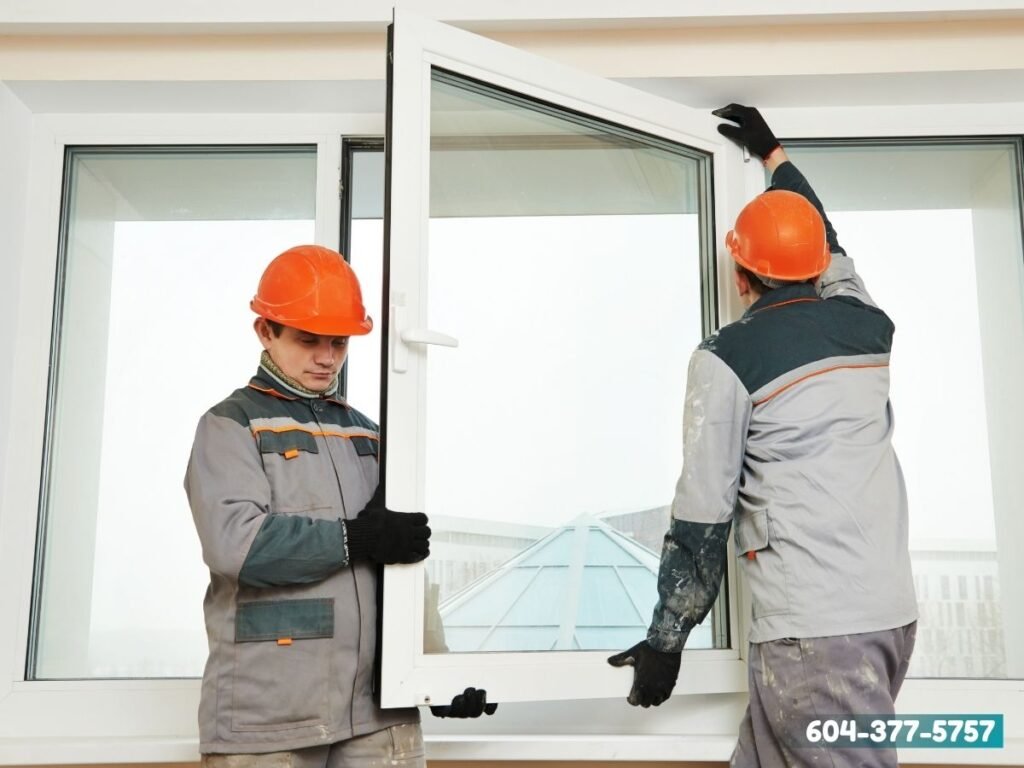
This is where professional glass solutions become transformative—not cosmetic.
Pacific Glass LTD specializes in breaking the cycle of multiplying dark zones by upgrading the transparency, reflectivity, and clarity of glass in a home.
Here’s how:
1. Light-Maximizing Glass Selection
High-performance, clarity-optimized glass enhances:
- Natural brightness
- Softness of shadows
- Light distribution
- Daytime visibility
This single upgrade instantly reduces dark corners.
2. Smart Tinting That Enhances, Not Dulls
Affordable, modern tinting from Pacific Glass LTD:
- Reduces heat — not brightness
- Prevents glare
- Softens harsh edges
- Balances natural light flow
Tint becomes a tool for shaping indoor comfort—not darkening it.
3. Refractive Glass Coatings
These coatings help redistribute sunlight evenly across the room, preventing dark clusters from forming.
4. Energy-Efficient Window Replacements
New high-performance windows:
- Spread light better
- Reduce shadow patterns
- Improve color vibrancy
- Prevent dullness caused by old frames
This stops dark zones from spreading further.
5. Custom Glass Solutions for Shadow-Prone Areas
Some areas require specialized designs:
- Corner windows
- Low-light hallways
- Kitchens with dull sink corners
- Dining areas that feel heavy
- Bedrooms with uneven morning light
Pacific Glass LTD offers tailor-made solutions that optimize these areas without renovation.
How Brightness Affects Your Perception of Home
Brightness is not just a visual effect—it is a psychological anchor.
When dark zones multiply, homeowners unknowingly:
- Spend less time in certain rooms
- Avoid certain corners
- Feel less motivated
- Experience subtle tension
- Feel their home is “aging” faster
When brightness is restored, the opposite happens.
Rooms feel structured, clean, organized, open, and emotionally balanced.
The Domino Effect of Fixing One Dark Zone
Here’s the beautiful part:
Fixing one dark zone often improves five others.
When Pacific Glass enhances one window, it:
- Spreads light deeper
- Brightens secondary walls
- Softens floor shadows
- Increases color clarity
- Refreshes the entire environment
A single improvement radiates throughout the home.
Why Homeowners Don’t Notice the Problem Until It’s Big
Because dark zones grow slowly, homeowners get used to them.
Comfort decreases without a clear cause.
Pacific Glass LTD specializes in identifying where your home is losing light efficiency before it becomes a long-term comfort issue.
Final Thoughts
Tiny shadows may seem harmless—but they shape mood, comfort, and perception more than people realize.
Small dark zones steal comfort quietly.
Pacific Glass LTD restores it loudly—through clarity, brightness, and precision glass design.
Your home doesn’t need more electricity.
It needs better glass.
And the difference is transformative.
FAQs
Most dark zones begin when windows lose transparency or when natural light is not evenly distributed due to aging glass or poor design.
Yes. Clearer glass increases visual depth and brightness, which makes rooms feel more open.
Professional tinting reduces glare without blocking natural light, ensuring even brightness throughout the room.
Look for corners that look duller over time, uneven lighting during different hours, or areas where you avoid sitting.
Absolutely. Pacific Glass specializes in custom light-enhancing glass installations designed specifically for your space.

JAP Jabar is the highly skilled and experienced owner of Pacific Glass Ltd, a trusted leader in glass services throughout British Columbia, Canada. With over 15 years of experience in glass repair, installation, and design, JAP has built a strong reputation for excellence in providing top-tier glass solutions, including glass doors, windows, railings, balconies, and more. Whether it’s residential or commercial, JAP is committed to delivering quality and precision in every project. Pacific Glass Ltd offers a wide range of services, from sliding doors and swing doors to storefront glass, patio glass doors, mirror services, and shower glass installations, ensuring customers receive the best in durability, aesthetics, and functionality.
Pacific Glass Ltd serves clients across Burnaby, Vancouver, and greater British Columbia with a focus on offering high-end glass solutions that meet the unique needs of each space. JAP’s expertise spans multiple types of glass services, including glass & sealed unit replacement, windows repair, commercial doors, fixed walls, glass canopies, and more. As a locally owned and operated business, JAP’s commitment to excellence shines through in every project, earning him a reputation as one of the leading glass specialists in the area.