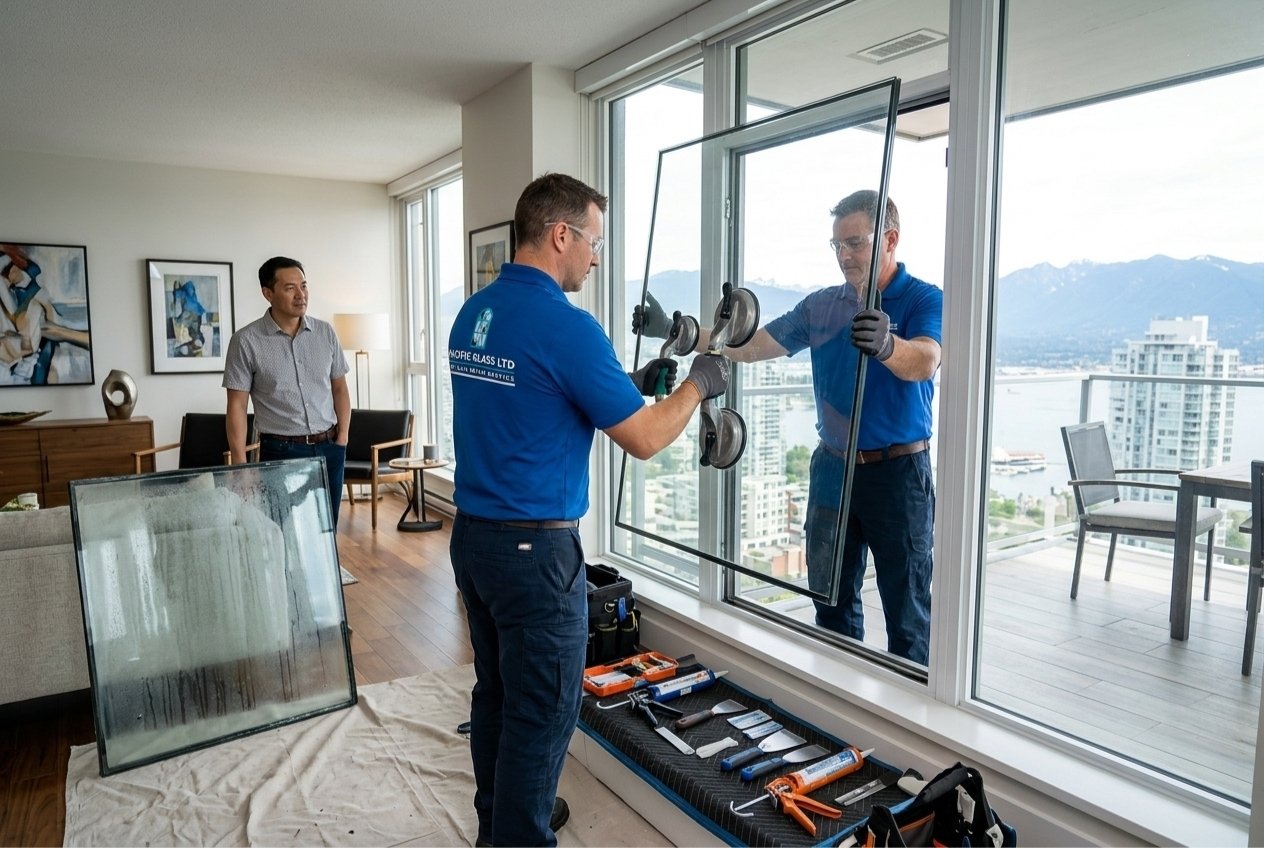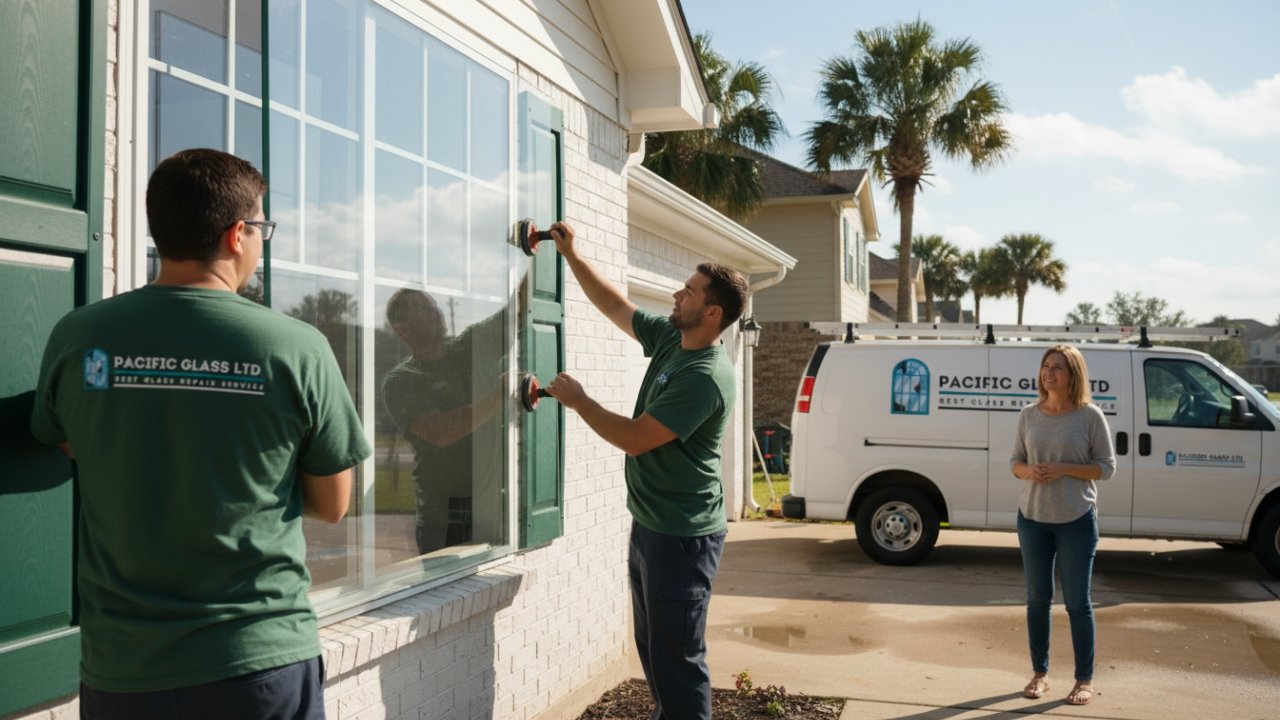
Hey Vancouver homeowner — when torrential rains hammer your roof and hurricane-force winds rip through your neighborhood, your windows are on the front lines. In our storm-heavy state, even minor weaknesses in window glass and seals can quickly turn into leaks, fogging, high energy bills, and expensive repairs.
Understanding how rain and storms weaken your window glass helps you catch problems early and protect your home.
I’m JAP Jabar, owner of Pacific Glass Ltd, with over 10 years of hands-on experience in professional glass repair. While we proudly serve the Vancouver and Richmond BC area from our Burnaby location, the lessons we’ve learned from repairing severe weather-damaged glass apply strongly.
Why Vancouver Weather Hits Window Glass So Hard
Vancouver, faces frequent heavy rainfall, high humidity, and powerful tropical systems. The state has endured dozens of billion-dollar storm events, with wind-driven rain and debris creating constant pressure on homes.
High humidity causes materials to expand and contract. Heavy rains drive water sideways under pressure. Hurricanes and thunderstorms add flying debris and sudden pressure changes. All of these factors systematically weaken standard window glass and seals over time.
How Heavy Rain Gradually Weakens Your Windows
In Vancouver, heavy rain isn’t just a passing inconvenience — it’s a slow, relentless force that quietly breaks down your windows over time. Our frequent downpours, high humidity, and wind-driven rain create the perfect conditions for gradual damage that often goes unnoticed until it becomes a major problem. Here’s exactly how this process unfolds.
Water Infiltration and Seal Erosion
Prolonged heavy rain is one of the biggest enemies of window performance. Over time, constant exposure to rain, wind, and temperature swings causes caulking, weatherstripping, and flashing around your window frames to deteriorate. These materials crack, shrink, peel, or pull away, creating small gaps where water can enter.
Once the seals fail, wind-driven rain (common during Vancouver storms) forces water under pressure through even the tiniest openings. This leads to leaks around window sills, walls, and interior trim. Blocked weep holes (drainage channels) make the problem worse by allowing water to pool instead of draining away.
Many homeowners first notice the issue during heavy rain events when water suddenly appears on the inside. What starts as minor seepage can quickly saturate walls, insulation, and flooring if left unaddressed.
Fogging and Insulated Glass Failure
Most modern windows use double-pane insulated glass units (IGUs) filled with inert gas (like argon) for energy efficiency. When heavy rain and humidity repeatedly attack the outer seals, moisture eventually finds its way in.
As the seal breaks down, the protective gas escapes and humid outside air enters the space between the panes. This trapped moisture condenses when temperatures change, creating that cloudy, foggy, or streaked appearance you see between the glass layers.
Fogging is a clear warning sign of failed window seals. Unlike surface condensation that wipes away, inter-pane fogging stays trapped and usually gets worse over time. It dramatically reduces your window’s energy efficiency, leading to higher cooling and heating costs in Vancouver’s extreme climate.
Frame Damage from Constant Moisture
Constant rain exposure takes a heavy toll on window frames themselves:
- Wood frames absorb moisture, swell, crack, and eventually rot. This is especially common in Vancouver’s humid environment where wood stays damp for long periods.
- Aluminum frames can corrode and pit over time when protective coatings wear off.
- Vinyl frames may warp or bow under repeated soaking and temperature changes.
As frames weaken and shift out of alignment, they put extra stress on the glass panes. This misalignment creates pressure points that make cracks far more likely, even from minor impacts.
The Brutal Impact of Storms and Hurricanes on Window Glass
While heavy rain causes slow damage, storms and hurricanes deliver sudden, powerful destruction.
Flying Debris and Direct Impacts
Hurricane-force winds turn everyday objects — tree branches, roof tiles, lawn furniture, and even 2×4 lumber — into dangerous projectiles traveling over 100 mph. These can easily crack, chip, or completely shatter standard window glass, even on relatively new homes.
Wind Pressure Flexing
Rapid pressure changes during a storm cause your windows and frames to flex dramatically. This violent movement loosens seals, creates hairline cracks, and can actually pop glass panes out of their frames. Once one window fails, internal pressure builds inside the house, often causing additional windows to blow out.
Hidden Damage That Shows Up Later
Not all storm damage is immediately visible. Many homeowners discover problems days or weeks later when the next rain arrives:
- Small cracks that spread over time
- Compromised seals that continue to leak
- Fogging that appears as moisture infiltrates damaged units
- Hidden water damage inside walls
At Pacific Glass Ltd, we’ve seen this pattern repeatedly when helping homeowners recover from severe weather. Early professional inspection after a storm can catch hidden issues before they become expensive disasters.
Common storm-related problems in Vancouver homes:
- Cracked or shattered glass from debris
- Water leaks and interior damage
- Foggy or failed insulated units
- Loose or misaligned frames
- Compromised safety and security
Long-Term Consequences for Your Vancouver Home
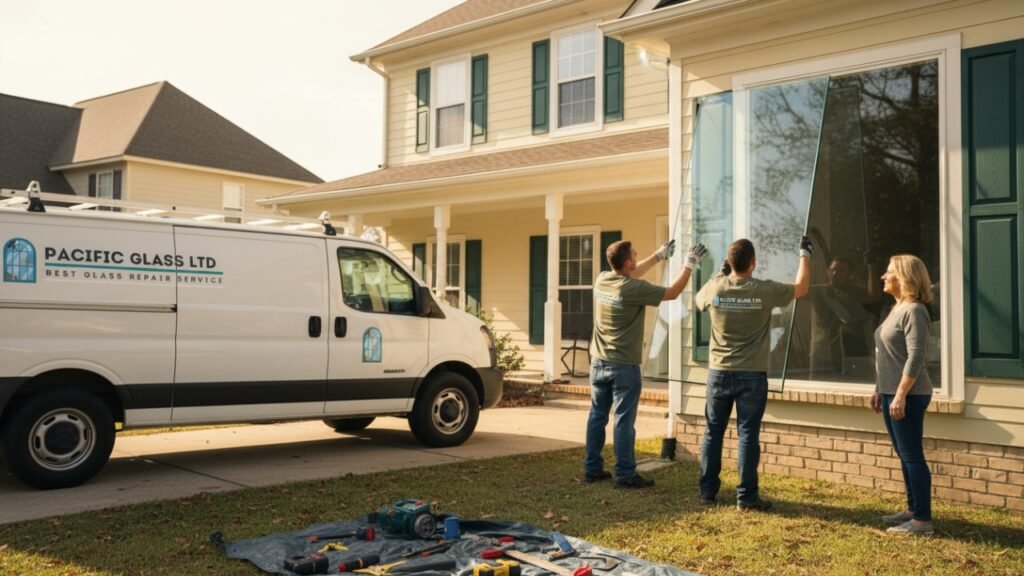
- Skyrocketing energy bills from lost insulation
- Mold growth and structural water damage
- Lower property value and resale issues
- Increased vulnerability to the next storm
- Safety risks for your family
Warning Signs Your Windows Have Been Weakened
- Fog or moisture between glass panes
- Water stains on interior sills or walls after rain
- Drafts, whistling sounds, or difficulty operating windows
- Visible cracks, chips, or bulging glass
- Increased outside noise or higher cooling costs
Don’t ignore these — in Vancouver’s climate, small problems escalate fast.
Practical Protection Tips for Vancouver Homeowners
- Inspect windows thoroughly before hurricane season (June–November).
- Clear debris from weep holes and maintain seals.
- Consider upgrading to impact-resistant glass or adding storm shutters in high-risk areas.
- Address any fogging, cracks, or leaks immediately with professional help.
When to Call Professional Glass Repair Experts
DIY fixes rarely survive Vancouver’s next storm. A qualified local glass specialist can install impact-rated glass, restore seals, repair frames, and provide emergency board-up services.
At Pacific Glass Ltd, we follow proven methods gained from years of repairing severe weather damage. Our approach — thorough inspection, quality materials, and expert installation — delivers lasting results that homeowners trust.
Protect Your Home Before the Next Rain or Storm
Rain and storms in Vancouver don’t just pass through — they slowly and surely weaken window glass through moisture, pressure, and impacts. Staying ahead with regular checks and timely repairs is one of the smartest things you can do for your home’s comfort, safety, and value.
If you’re dealing with storm-damaged windows, foggy glass, or want proactive protection, reach out to a trusted local glass repair professional right away.For more expert insights on glass repair and weather protection, visit Pacific Glass Ltd online at https://pacificglassltd.com/. Call us at +1 604-377-5757 or email pacificglassltd1@gmail.com. Owner JAP Jabar and our team are always happy to share practical advice that helps homeowners everywhere.
Prolonged heavy rain erodes caulking, seals, and flashing. Wind-driven rain then forces water into tiny gaps, causing leaks, frame rot, and eventual seal failure that leads to fogging between panes.
Fogging occurs when storm-damaged seals allow moisture to enter double-pane windows. The insulating gas escapes, and humid Vancouver air condenses inside, reducing energy efficiency and signaling the need for professional repair.
Yes. Wind pressure flexing and flying debris can crack glass, loosen seals, or misalign frames without full breakage. Hidden damage often appears later as leaks or fogging.
Look for fog between panes, water stains on sills, drafts, difficulty opening windows, visible cracks, or higher energy bills. These signs are very common after Vancouver storms.
Minor chips or seal issues can sometimes be repaired. However, fogging, large cracks, or frame damage usually require full replacement with impact-resistant glass for better future protection.

JAP Jabar is the highly skilled and experienced owner of Pacific Glass Ltd, a trusted leader in glass services throughout British Columbia, Canada. With over 15 years of experience in glass repair, installation, and design, JAP has built a strong reputation for excellence in providing top-tier glass solutions, including glass doors, windows, railings, balconies, and more. Whether it’s residential or commercial, JAP is committed to delivering quality and precision in every project. Pacific Glass Ltd offers a wide range of services, from sliding doors and swing doors to storefront glass, patio glass doors, mirror services, and shower glass installations, ensuring customers receive the best in durability, aesthetics, and functionality.
Pacific Glass Ltd serves clients across Burnaby, Vancouver, and greater British Columbia with a focus on offering high-end glass solutions that meet the unique needs of each space. JAP’s expertise spans multiple types of glass services, including glass & sealed unit replacement, windows repair, commercial doors, fixed walls, glass canopies, and more. As a locally owned and operated business, JAP’s commitment to excellence shines through in every project, earning him a reputation as one of the leading glass specialists in the area.