
Ask a condo owner how long windows should last, and you’ll hear the same answer again and again:
“At least 20 years.”
It sounds reasonable. Windows are expensive. They’re solid. They don’t move much. Surely, if nothing is broken, cracked, or leaking, they must still be doing their job.
At Pacific Glass Ltd, this belief is one of the most common—and costly—myths we encounter.
Because in modern condos, the “20-year window lifespan” isn’t a guarantee. In many cases, it’s not even realistic.
Windows don’t suddenly fail on their 20th birthday. They slowly, quietly lose performance—often years before visible problems appear. By the time fogging, drafts, or comfort issues show up, the window has already been struggling for a long time.
This blog breaks down where the 20-year window myth comes from, why it doesn’t match real-world condo conditions, and what condo owners should actually be paying attention to instead.
Where the 20-Year Myth Came From
The idea that windows last 20 years didn’t come from nowhere. It’s based on:
- Manufacturer estimates under ideal conditions
- Older construction styles with heavier materials
- Low-exposure residential environments
But here’s the problem: modern condos don’t live in ideal conditions.
Most manufacturer timelines assume:
- Minimal wind exposure
- Balanced indoor temperatures
- Limited moisture stress
- Regular maintenance
Condo windows—especially in urban and coastal areas—experience none of that.
Modern Condos Are Harder on Windows Than Ever
Today’s condos are taller, more exposed, and built with tighter envelopes than ever before. While that improves density and efficiency, it also puts constant pressure on window systems.
In real-world condo environments, windows face:
- Stronger wind pressure at higher elevations
- Repeated temperature swings across seasons
- Persistent moisture from rain, humidity, and condensation
- UV exposure amplified by large glass surfaces
Windows aren’t failing faster because they’re worse—they’re failing because they’re working harder.
The Silent Aging of Window Seals
The most important part of a modern window isn’t the glass you see—it’s the sealed unit you don’t.
Inside double- or triple-pane glass units:
- Spacer bars maintain distance between panes
- Seals lock in insulating gas
- Moisture barriers keep humidity out
These components age silently.
Over time:
- Seals lose elasticity
- Gas slowly escapes
- Moisture vapor sneaks in
None of this is visible at first. The window still looks “fine,” but its performance is already declining.
At Pacific Glass Ltd, we often explain that window failure is a process, not an event.
Why Fogging Isn’t the Beginning—It’s the End
Most condo owners only notice window failure when fogging appears between panes.
But fogging is not the first sign of failure—it’s one of the last.
By the time fog appears:
- Insulating gas is already gone
- Energy efficiency is already compromised
- Moisture has been inside the unit for some time
The myth tells homeowners: “If it’s not foggy yet, it’s fine.”
Reality says: “If it’s foggy, it’s been failing for years.”
Condos vs Houses: Why Lifespans Differ
Detached homes and condos live very different lives.
Houses often benefit from:
- Roof overhangs
- Landscaping wind buffers
- Lower elevation exposure
Condos, especially high-rises, face:
- Constant crosswinds
- Greater building movement
- More extreme temperature differentials
That’s why a window that might last 25+ years in a house may struggle to reach 15–20 years in a condo.
The myth ignores context—and context matters.
Balcony Exposure Accelerates Aging
Balconies are a major factor in premature window aging.
Balcony-facing windows experience:
- Direct rain splashback
- Standing water near thresholds
- Wind funneling effects
- Prolonged dampness after storms
At Pacific Glass Ltd, balcony windows are often the first to fail, even when other windows in the same unit appear unaffected.
This uneven aging surprises homeowners—but it shouldn’t.
The Comfort Decline No One Notices
One of the most misleading aspects of the 20-year myth is that people expect a dramatic change when windows fail.
Instead, comfort declines gradually.
Homeowners often adapt without realizing it:
- Sitting farther from windows in winter
- Running heating longer than before
- Avoiding certain rooms during hot afternoons
These adjustments become “normal,” masking the real issue—aging glass.
Energy Loss Happens Before Visible Damage
Modern glass is designed to insulate. When seals weaken:
- Heat escapes in winter
- Solar heat enters in summer
- HVAC systems work harder
Energy bills rise slowly, often blamed on weather or utility rates. Rarely do homeowners suspect windows that still look intact.
At Pacific Glass Ltd, many clients are shocked to learn how much efficiency they’ve been losing silently.
Why Visual Inspections Don’t Tell the Full Story
Looking at a window doesn’t reveal:
- Seal elasticity
- Gas retention
- Internal moisture migration
A window can be clear, clean, and operational—and still be underperforming badly.
That’s why the “it looks fine” argument is so misleading in modern condos.
The Problem With Waiting for Failure
The myth encourages delay:
“We’ll deal with it when it fails.”
But waiting often leads to:
- More severe fogging
- Secondary frame stress
- Increased condensation damage
- Higher replacement costs
Early action allows for glass-only replacement, which is often more affordable and strata-friendly.
Why Glass Replacement Isn’t What It Used to Be
Many condo owners fear window replacement because they imagine:
- Full frame removal
- Exterior disruptions
- Strata complications
But modern solutions focus on:
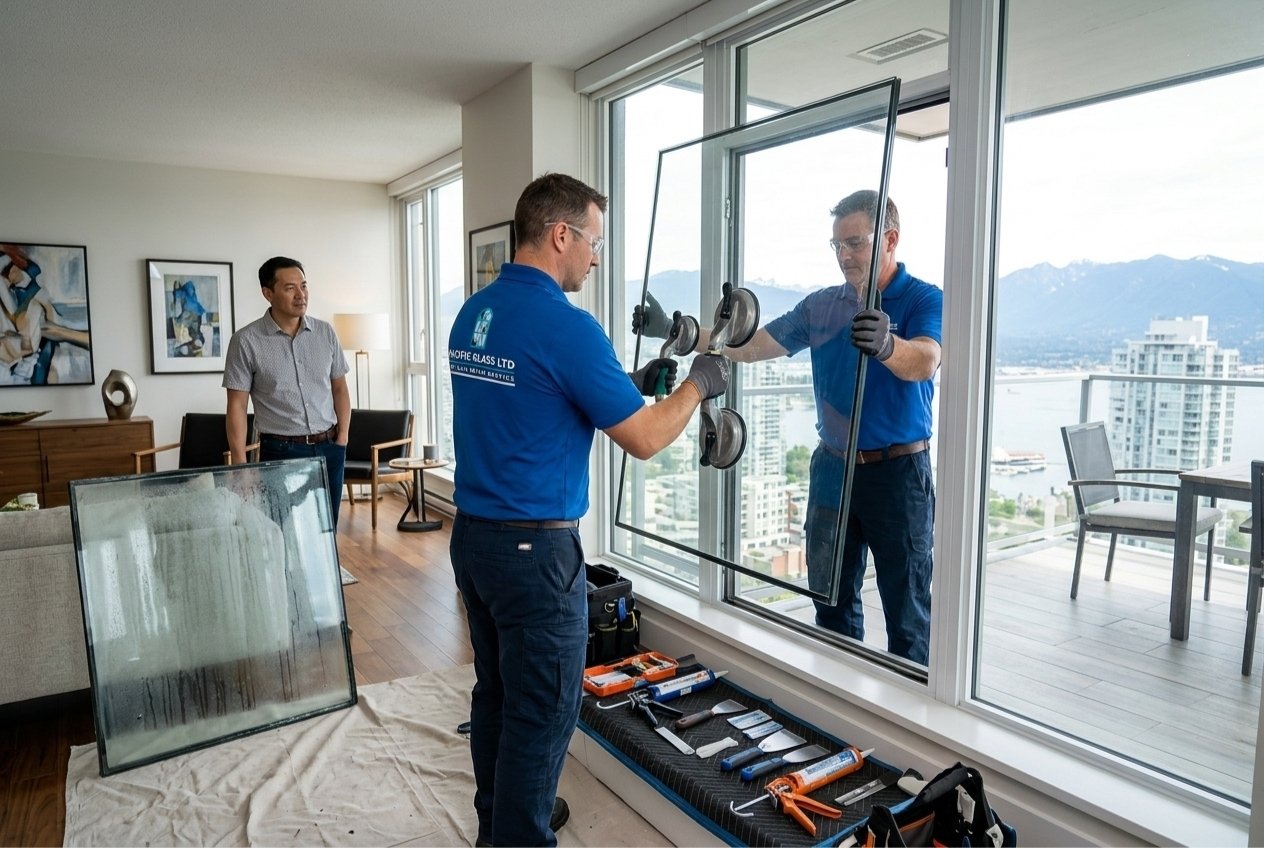
- Replacing sealed glass units only
- Preserving original frames
- Improving performance without altering appearance
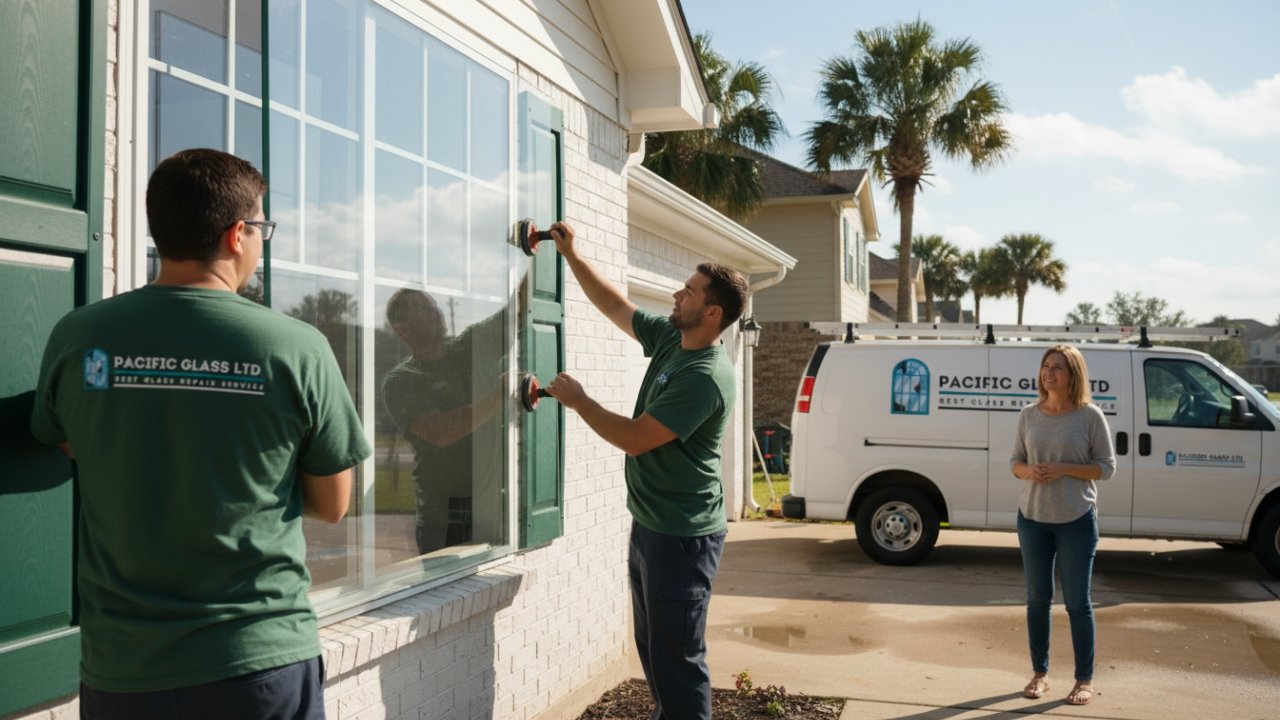
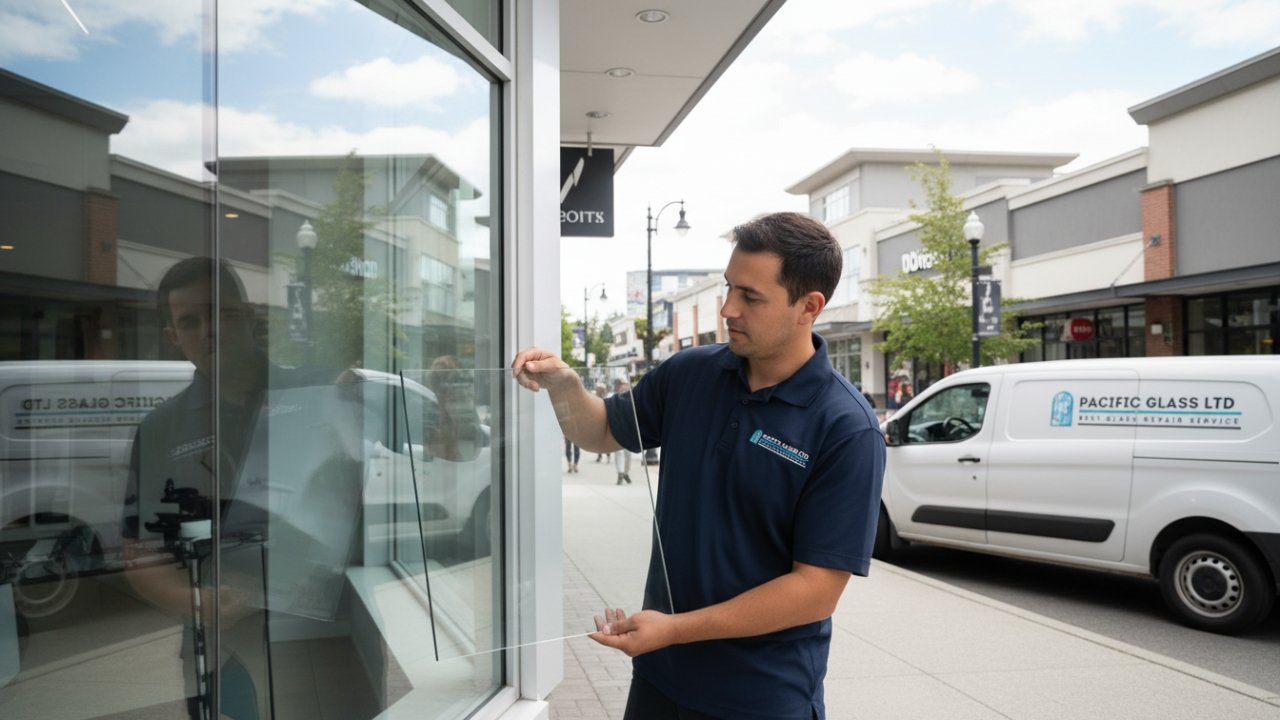
Pacific Glass Ltd specializes in this approach, making upgrades possible long before total failure.
The Psychological Effect of Clear Glass
Clarity impacts more than energy use.
Clear, high-performance glass:
- Improves natural light
- Enhances views
- Reduces visual fatigue
- Makes spaces feel newer
Many homeowners report feeling an immediate difference after upgrading glass—even though nothing else in the home changed
Why “Original Windows” Aren’t a Selling Point Anymore
In older condos, original windows were once seen as a positive.
Today, buyers and inspectors understand:
- Original windows = aging seals
- Aging seals = future costs
The myth is slowly being replaced by a new reality: updated glass equals better value.
The Real Question Condo Owners Should Ask
Instead of asking:
“How old are my windows?”
A better question is:
“How well are my windows performing today?”
Performance—not age—should guide decisions.
How Pacific Glass Ltd Helps Condo Owners See Clearly
At Pacific Glass Ltd, we approach condo window issues with realism and clarity.
We:
- Assess exposure, not just age
- Identify early seal failure
- Recommend targeted glass replacement
- Help owners act before full failure
Our goal isn’t to break the myth—it’s to replace it with better understanding.
Rewriting the 20-Year Story
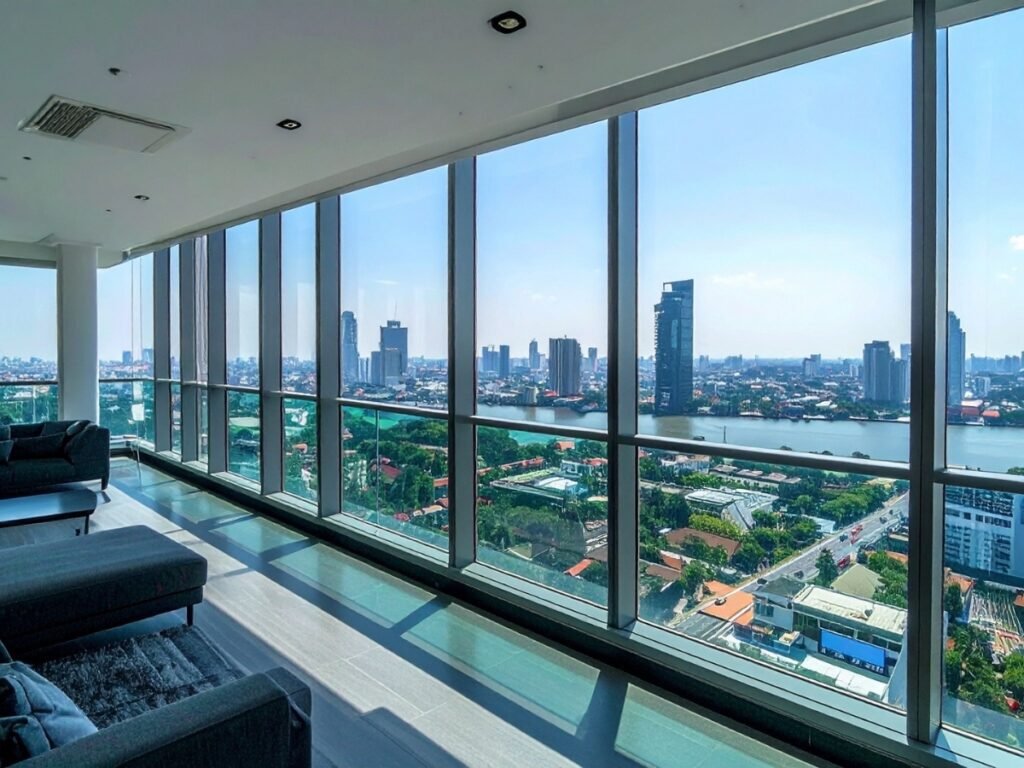
Windows aren’t clocks. They don’t fail on schedule.
They respond to:
- Environment
- Exposure
- Materials
- Maintenance
In modern condos, the idea of a guaranteed 20-year lifespan simply doesn’t hold up.
Final Thoughts
The 20-year window myth persists because it’s comforting. It delays decisions. It avoids expense.
But comfort can be expensive in the long run.
Understanding how windows actually age empowers condo owners to:
- Act earlier
- Spend smarter
- Improve comfort
- Preserve value
At Pacific Glass Ltd, we believe clarity starts with truth—about glass, about performance, and about time.
Because windows don’t need to be broken to be failing. They just need to be understood.
FAQs
Not always. In modern condos, window seals often begin failing earlier due to exposure, moisture, and temperature stress.
Condos experience stronger wind, higher elevation exposure, balcony moisture, and greater building movement, which accelerates window aging.
No. Fogging usually appears after seals have already failed and insulation performance has declined.
Yes. Pacific Glass Ltd often replaces only the sealed glass unit, preserving existing frames and reducing cost.
Waiting often leads to higher costs and comfort loss. Early glass replacement can restore performance before major damage occurs.