
Light is not static. It moves, shifts, softens, sharpens, warms, and cools throughout the day. And the way light enters a home—through glass—plays a powerful role in how that home feels emotionally, physically, and psychologically over time.
Two homes with identical layouts can feel completely different simply because of how morning and evening light interact with their windows. One may feel energizing and alive at sunrise, while the other becomes calm and comforting at dusk. These subtle differences shape mood, routine, sleep quality, and even how welcoming a space feels.
At Pacific Glass Ltd, we’ve seen firsthand how the right glass choices dramatically transform homes across Burnaby and surrounding areas—not just structurally, but emotionally. This article explores how morning light and evening light affect the human brain, how glass controls those effects, and why thoughtful glass design changes the way homes feel across an entire day.
Light Is Not Just Brightness — It’s Biological Information
Natural light sends constant signals to the human brain. These signals regulate hormones, alertness, calmness, and emotional balance. Glass acts as the gateway for those signals.
☀️ Morning light tells the brain:
- Wake up
- Focus
- Be alert
- Start the day
🌇 Evening light tells the brain:
- Slow down
- Relax
- Prepare for rest
- Feel safe and grounded
The quality, angle, and warmth of that light changes hour by hour—and glass determines how much of that information reaches us.
Morning Light: Sharp, Cool, and Energizing
Morning light enters homes at a lower angle, often cooler in tone and more directional. When properly filtered through glass, it can transform a home’s atmosphere.
How Morning Light Affects the Brain
- Boosts serotonin levels
- Improves focus and productivity
- Helps regulate circadian rhythm
- Reduces morning fatigue and grogginess
Homes that receive strong morning light often feel lighter, fresher, and more optimistic early in the day.
However, not all glass handles morning light well.
When Morning Light Feels Uncomfortable
Without the right glass, morning light can:
❌ Create glare
❌ Cause eye strain
❌ Feel harsh and cold
❌ Highlight dust, reflections, and imperfections
This is why glass quality and coatings matter.
At Pacific Glass Ltd, we often recommend glass solutions that soften morning light without blocking it, preserving energy while improving comfort.
Evening Light: Warm, Emotional, and Grounding
Evening light enters homes from a lower sun position, producing warmer tones and longer shadows. This light is deeply connected to emotional safety and relaxation.
How Evening Light Changes a Home’s Feel
- Warms wall colors and materials
- Softens edges and textures
- Makes spaces feel cozier and more intimate
- Signals the brain to slow down
Homes with well-positioned glass often feel most beautiful in the evening, even if they looked ordinary earlier in the day.
🌅 Evening light has a unique emotional pull—it makes homes feel lived-in, comforting, and personal.
How Glass Controls the Quality of Light
Glass doesn’t just let light in—it shapes it.
Different glass choices affect:
- Light temperature
- Glare levels
- Reflection intensity
- Heat gain
- Visual clarity
Common Glass Types and Light Behavior
| Glass Type | Morning Light Effect | Evening Light Effect |
| Clear Glass | Bright, sharp, high contrast | Warm, vivid, dramatic |
| Low-E Glass | Balanced, reduced glare | Soft warmth, less heat |
| Frosted Glass | Diffused, calming | Gentle glow, privacy |
| Laminated Glass | Stable, controlled | Even warmth, reduced distortion |
Homes that feel good all day usually rely on intentional glass selection, not just larger windows.
Why the Same Room Feels Different at Different Times
Have you ever noticed that a room you love at night feels uncomfortable in the morning—or vice versa?
This happens because:
- Light angle changes
- Reflection patterns shift
- Shadows move
- Glass reacts differently at different sun positions
🧠 The brain constantly reassesses a space based on light behavior.
A well-designed glass setup creates emotional consistency, so rooms feel welcoming throughout the day—not just at one moment.
Emotional Transitions Throughout the Day
Glass plays a subtle but powerful role in how we transition emotionally from morning to night.
Morning Experience
- Light feels crisp and energizing
- Glass frames outdoor movement
- Spaces feel active and open
Midday Experience
- Light becomes stronger and more neutral
- Heat control becomes important
- Visual comfort depends on glass quality
Evening Experience
- Light softens and warms
- Reflections deepen
- Glass creates a sense of enclosure and calm
Homes that lack proper glass solutions often feel emotionally uneven, overstimulating at one time and dull at another.
How Poor Glass Disrupts Emotional Comfort
When glass isn’t suited for light changes, homeowners often notice subtle discomfort without knowing why.
⚠️ Common complaints include:
- “The room feels harsh in the morning”
- “The space looks flat at night”
- “It’s bright but not comforting”
- “I avoid certain rooms during the day”
These are light-glass interaction problems, not décor issues.
Pacific Glass Ltd frequently works with homeowners who assume the problem is furniture or color—when in reality, glass is the missing piece.
Glass Placement Matters as Much as Glass Type
Where glass is placed determines how light travels through a home.
Strategic Glass Placement Effects
- East-facing glass → energizing mornings
- West-facing glass → warm evenings
- Interior glass panels → light flow between rooms
- Glass doors → extended daylight reach
✨ Homes with interior glass elements often feel brighter all day without needing more windows.
Privacy vs Light: The Emotional Balance
Many homeowners block light for privacy—curtains, blinds, or heavy treatments—but this can disrupt emotional balance.
Glass offers a better solution.
✔ Frosted or textured glass preserves privacy
✔ Diffused light maintains brightness
✔ Emotional openness remains intact
This balance is especially important in bedrooms, bathrooms, and quiet living areas.
Long-Term Emotional Impact of Light-Controlled Homes
Over time, homes that manage light well through glass design show noticeable lifestyle benefits.
🧠 Long-term effects include:
- Improved sleep patterns
- Reduced stress levels
- More consistent mood
- Stronger emotional attachment to the home
People often describe these homes as:
“Peaceful”
“Grounded”
“Comfortable at any time”
That comfort isn’t accidental—it’s designed.
Seasonal Changes and Glass Behavior
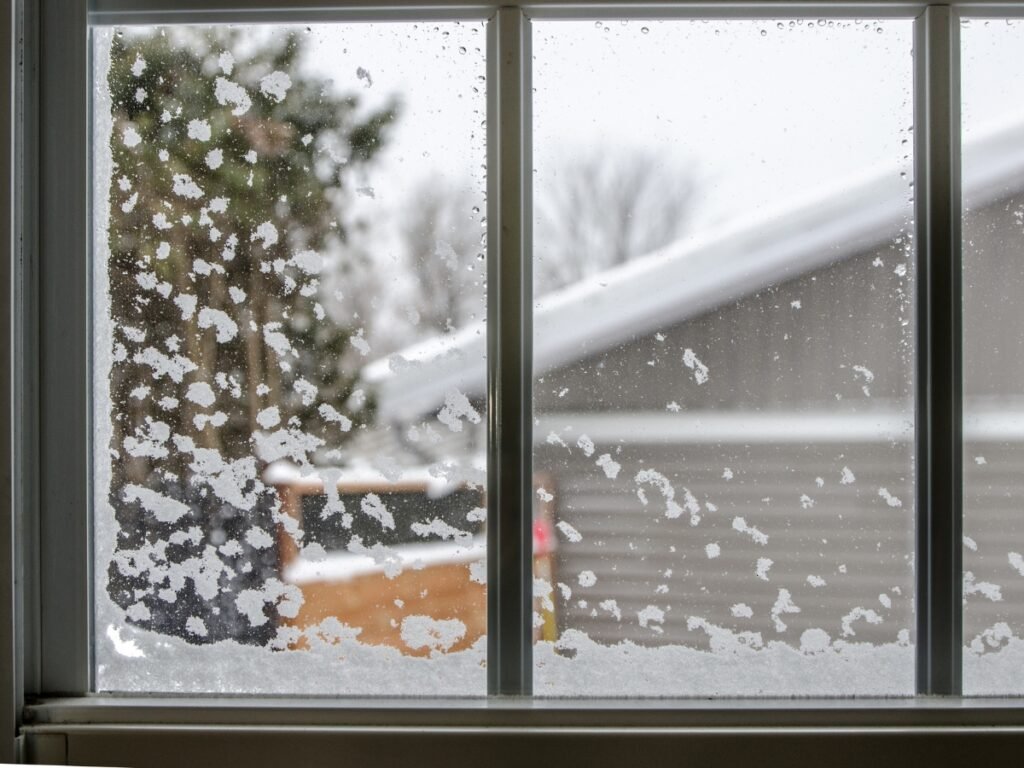
Light behaves differently in winter than summer, especially in British Columbia.
🌧 Winter:
- Lower sun angles
- Shorter daylight hours
- Greater need for clarity and warmth
☀ Summer:
- Longer exposure
- Higher glare potential
- Heat management becomes critical
Glass that adapts to seasonal shifts helps homes remain emotionally balanced year-round.
The Role of Glass in Daily Rituals
Think about how you use your home throughout the day:
- Morning coffee by the window
- Afternoon work near natural light
- Evening relaxation in the living room
Glass frames these moments. It shapes daily rituals, turning ordinary routines into grounding experiences.
When glass works with light—not against it—homes feel more human.
Why Homeowners Often Misdiagnose the Problem
Most people don’t say:
“My glass is affecting my emotional comfort.”
They say:
- “This room doesn’t feel right”
- “Something feels off during the day”
- “It looks nice, but I don’t enjoy being here”
These feelings are often caused by light quality, not design flaws.
That’s why Pacific Glass Ltd approaches glass as both a technical and emotional element—because comfort isn’t just visual.
Small Glass Changes, Big Emotional Results
You don’t always need more windows.
Sometimes, changing:
- Glass type
- Coatings
- Interior glass panels
- Door glass
- Placement
can completely transform how a home feels from morning to evening.
✨ Small changes can restore emotional harmony.
Final Thoughts
Morning and evening light don’t just illuminate homes—they shape how we feel inside them. Glass is the medium that translates light into emotional experience.
When glass is chosen thoughtfully, homes feel:
✔ Energizing in the morning
✔ Balanced during the day
✔ Calm and safe at night
At Pacific Glass Ltd, we believe great glass design isn’t about brightness alone—it’s about how a home supports human rhythm, emotion, and comfort over time.
Because the best homes don’t just look good.
They feel right—at every hour of the day.
FAQs
Morning light may be too harsh or poorly filtered by existing glass, causing discomfort or glare.
Yes. Natural light directly impacts hormones, alertness, and emotional regulation.
No. It diffuses light, often making spaces feel calmer and more balanced.
Absolutely. Interior glass allows light to move deeper into the home without sacrificing separation.
Pacific Glass Ltd considers how glass affects light, comfort, privacy, and emotional wellbeing—not just structure.

JAP Jabar is the highly skilled and experienced owner of Pacific Glass Ltd, a trusted leader in glass services throughout British Columbia, Canada. With over 15 years of experience in glass repair, installation, and design, JAP has built a strong reputation for excellence in providing top-tier glass solutions, including glass doors, windows, railings, balconies, and more. Whether it’s residential or commercial, JAP is committed to delivering quality and precision in every project. Pacific Glass Ltd offers a wide range of services, from sliding doors and swing doors to storefront glass, patio glass doors, mirror services, and shower glass installations, ensuring customers receive the best in durability, aesthetics, and functionality.
Pacific Glass Ltd serves clients across Burnaby, Vancouver, and greater British Columbia with a focus on offering high-end glass solutions that meet the unique needs of each space. JAP’s expertise spans multiple types of glass services, including glass & sealed unit replacement, windows repair, commercial doors, fixed walls, glass canopies, and more. As a locally owned and operated business, JAP’s commitment to excellence shines through in every project, earning him a reputation as one of the leading glass specialists in the area.